10-Year Treasury Yield Tops 5%, Sending Stocks Lower
Treasury yields crossed a critical threshold Tuesday, rattling equity markets and raising fresh concerns about borrowing costs and valuations.
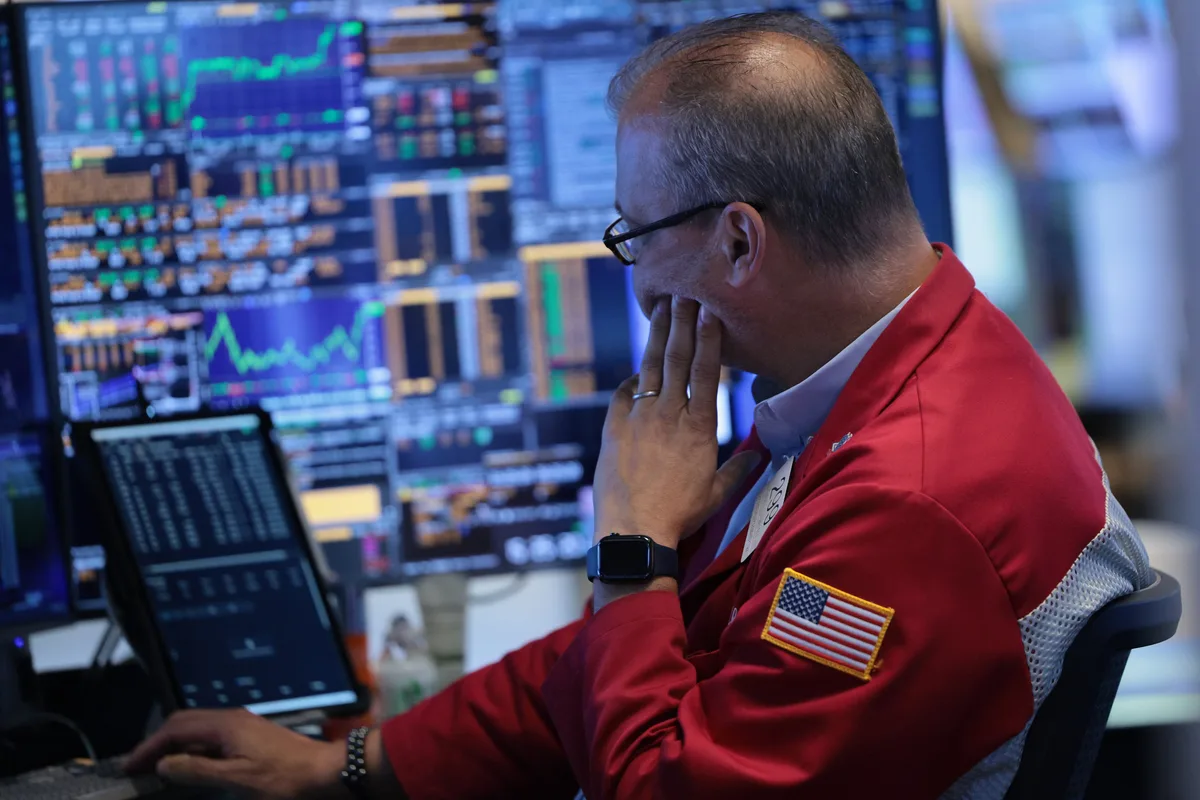
U.S. stocks sold off Tuesday after the yield on the 10-year Treasury note broke above 5%, a psychologically significant level that historically signals tighter financial conditions and greater pressure on equity valuations. The breach rattled investors already navigating an uncertain rate environment, triggering broad declines across major indexes as traders reassessed the relative appeal of stocks versus bonds.
The 5% threshold matters because it represents a level at which fixed-income investments become a genuinely competitive alternative to equities. When risk-free government bonds offer yields that high, investors demand a higher return from stocks to justify the added risk — a dynamic that typically compresses price-to-earnings multiples and weighs on growth-oriented shares most heavily.
Read more How Higher-for-Longer Rates Could Reshape Stocks and Bonds →
Rising yields also translate directly into higher borrowing costs for corporations and consumers alike. Companies carrying significant debt face steeper refinancing expenses, which can erode profit margins and dampen future earnings outlooks — two factors that equity analysts watch closely when recalibrating price targets in a high-yield environment.
The move underscores the broader tension in markets as the Federal Reserve maintains its higher-for-longer posture on interest rates. Bond investors appear to be pricing in the possibility that elevated rates could persist well into the future, a view that has pushed long-end yields steadily higher in recent months and added volatility to an already uncertain stock market landscape.
Continue reading at US Top News and Analysis.