Aortic Dissection Explained: Risk Factors After Lindsey Graham's Death
Sen. Lindsey Graham died from an aortic dissection, a rare but deadly heart condition. Here's who faces the greatest risk.
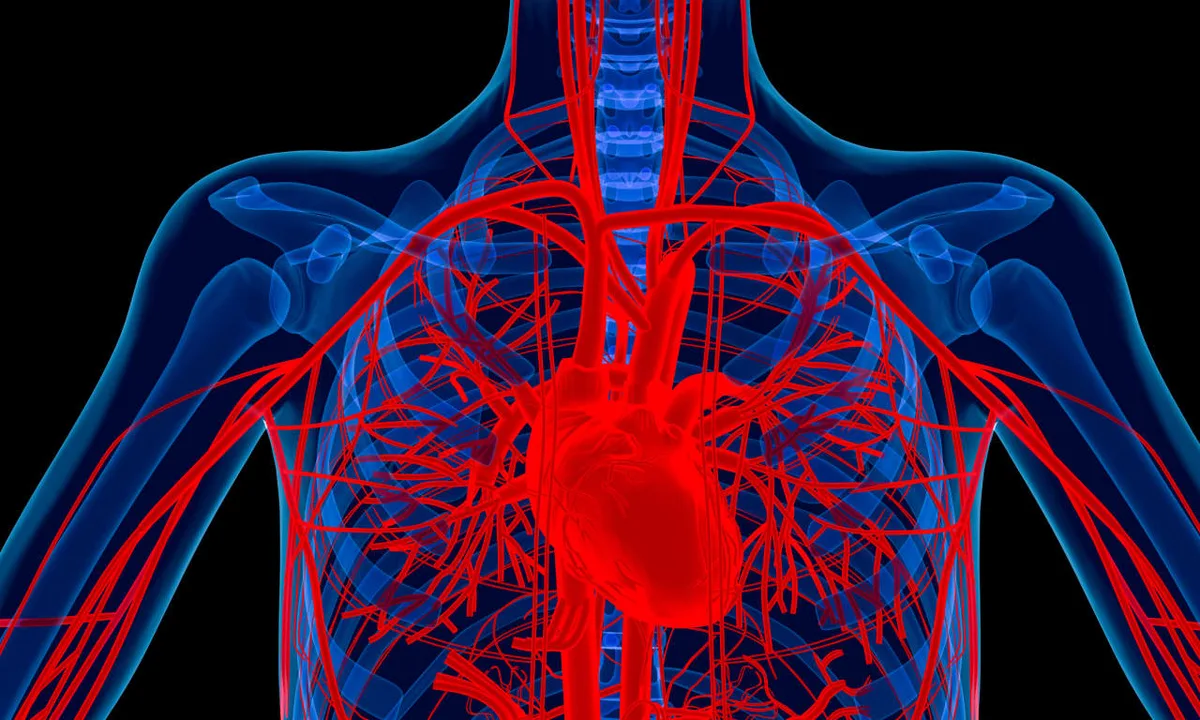
Sen. Lindsey Graham died from an aortic dissection, a rare and often fatal cardiovascular event that occurs when a tear forms in the inner layer of the aorta — the body's largest artery — allowing blood to surge between the vessel's layers and potentially causing catastrophic rupture. The sudden nature of the condition has prompted widespread questions about who is most vulnerable and what warning signs, if any, exist.
Aortic dissections are classified as extremely rare in the general population, but certain individuals carry a significantly higher risk. People with a documented family history of the condition face elevated odds, as do those who have been diagnosed with specific genetic syndromes known to affect connective tissue and cardiovascular structure. Identifying these predispositions early is considered critical for prevention and monitoring.
Read more 401(k) Balances for Americans in Their 30s and 40s: How You Compare →
Because the condition can strike with little warning, medical experts emphasize the importance of genetic screening and regular cardiovascular evaluations for those in high-risk categories. Patients aware of a family history of aortic disease are typically advised to discuss preventive imaging and lifestyle modifications with their physicians before any acute episode occurs.
The death of a prominent public figure like Graham has renewed attention to a condition that often flies under the radar compared to more commonly discussed heart diseases such as heart attacks or coronary artery disease. Cardiologists note that public awareness can be a powerful driver of earlier diagnosis — particularly for younger patients who may dismiss symptoms.
Continue reading at MarketWatch.com