Aortic Dissection Explained: Who Faces the Highest Risk
The rare heart condition that killed Lindsey Graham affects certain groups more than others. Here's what the warning signs look like.
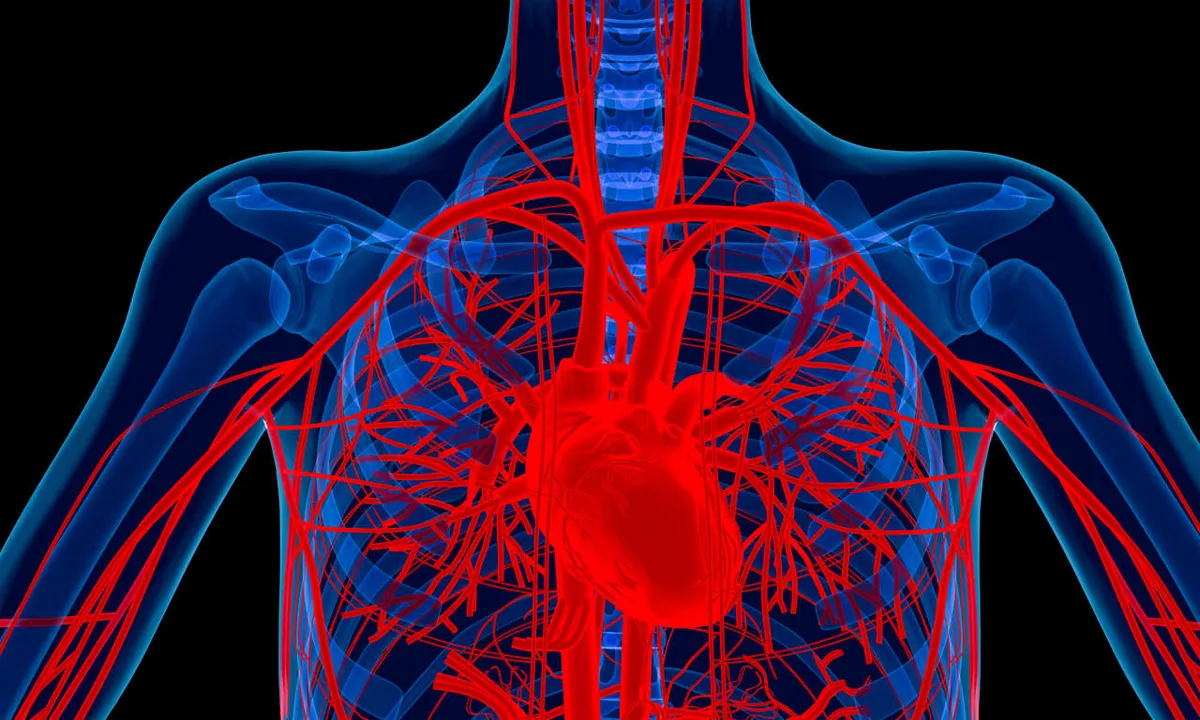
Sen. Lindsey Graham died from an aortic dissection, a rare but catastrophic cardiovascular event that occurs when a tear forms in the inner wall of the aorta — the body's largest artery — causing blood to surge between the vessel's layers. The condition can be rapidly fatal if not treated immediately, and its sudden nature means many victims have little warning before collapse.
Aortic dissections are considered uncommon in the general population, but certain individuals carry a significantly higher risk. People with a documented family history of the condition are among the most vulnerable, as are those diagnosed with specific genetic syndromes that affect connective tissue, such as Marfan syndrome or Ehlers-Danlos syndrome. These disorders can weaken the structural integrity of the aortic wall, making it more susceptible to tearing under normal blood pressure.
Read more 401(k) Balances for Americans in Their 30s and 40s: How You Compare →
Beyond genetics, uncontrolled high blood pressure is widely recognized as a primary driver of aortic dissection risk. Chronic hypertension puts sustained stress on arterial walls, accelerating the kind of deterioration that can lead to a tear. Certain structural heart abnormalities present from birth, such as a bicuspid aortic valve, also raise an individual's lifetime risk considerably.
Symptoms, when they do appear, are often described as a sudden, severe tearing or ripping pain in the chest or back — a sensation patients frequently report as unlike anything they have felt before. Because the condition can mimic a heart attack, misdiagnosis in emergency settings is a documented concern, underscoring the importance of imaging such as CT scans for accurate and rapid assessment.
Cardiovascular specialists generally recommend that people with known risk factors undergo regular monitoring and imaging to catch any abnormal aortic enlargement before a dissection can occur. Lifestyle changes, blood pressure management, and in some cases prophylactic surgery can meaningfully reduce the danger for high-risk patients. Continue reading at MarketWatch.com