Apple Raises MacBook and iPad Prices Amid Memory Cost Crunch
Apple hiked prices on select MacBooks and iPads Thursday as a deepening memory shortage drives component costs higher across the industry.
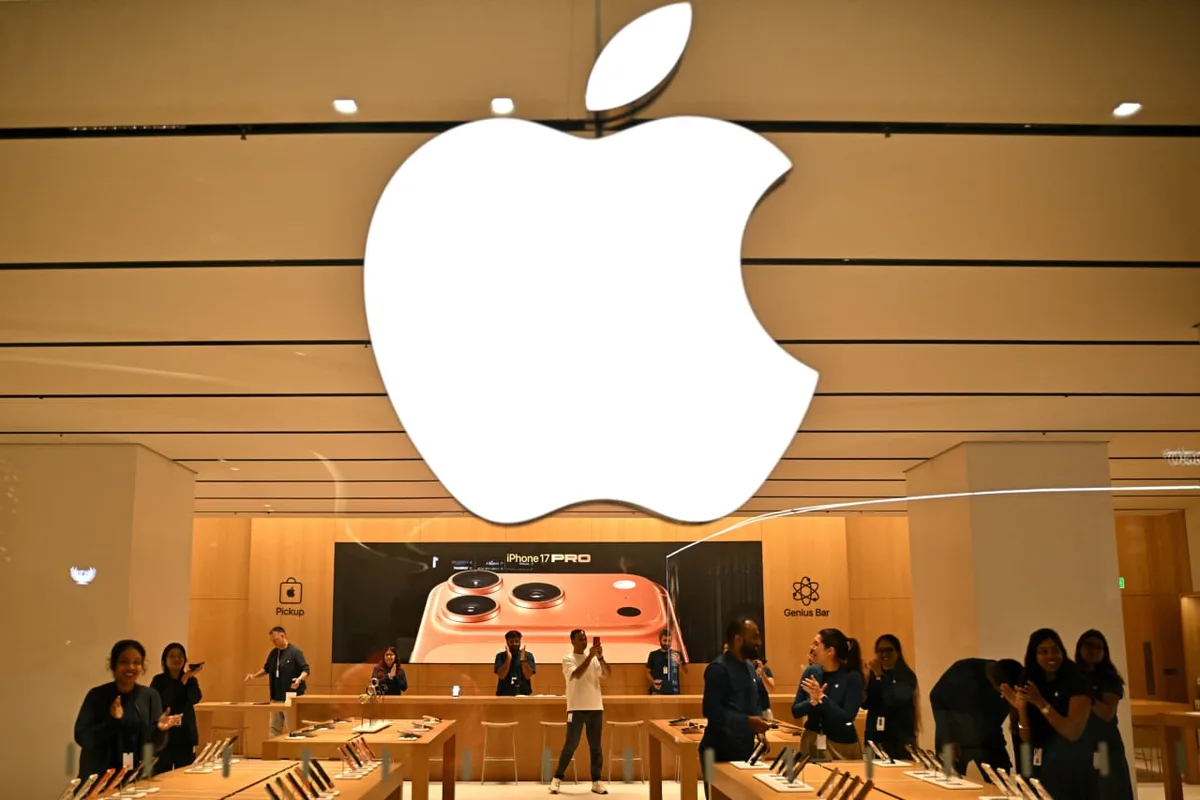
Apple moved Thursday to raise prices on certain MacBook and iPad models, a decision that lands squarely on the shoulders of a tightening global memory market and arrives in the immediate wake of a standout earnings report from chip giant Micron Technology.
The timing is telling. Micron's blowout quarterly results signaled that demand for memory components — the kind that power laptops and tablets — is outpacing supply, giving chipmakers pricing power they haven't held in years. When memory costs climb for manufacturers, consumer-facing price tags tend to follow, and Apple appears to be passing at least a portion of those increased input costs on to buyers.
Read more Brent Crude Breaks $100 as Goldman Eyes $120 Next →
For consumers, the increases mean that two of Apple's most popular product categories just became pricier entry points into the company's ecosystem. The moves also underscore a broader industry reality: the memory crunch is no longer an abstract supply-chain concern — it is now showing up directly on retail price stickers at one of the world's most valuable companies.
Analysts will be watching closely to see whether rivals in the PC and tablet space follow Apple's lead or absorb costs in a bid to protect market share. Apple, historically, has shown little hesitation in adjusting prices when component economics shift — and the Micron earnings signal those shifts may be far from over.
Continue reading at MarketWatch.com