BMW's U.S. Operations Show Resilience at Critical Moment
BMW's American business is outperforming expectations when the automaker needs it most, signaling strength in a key market.
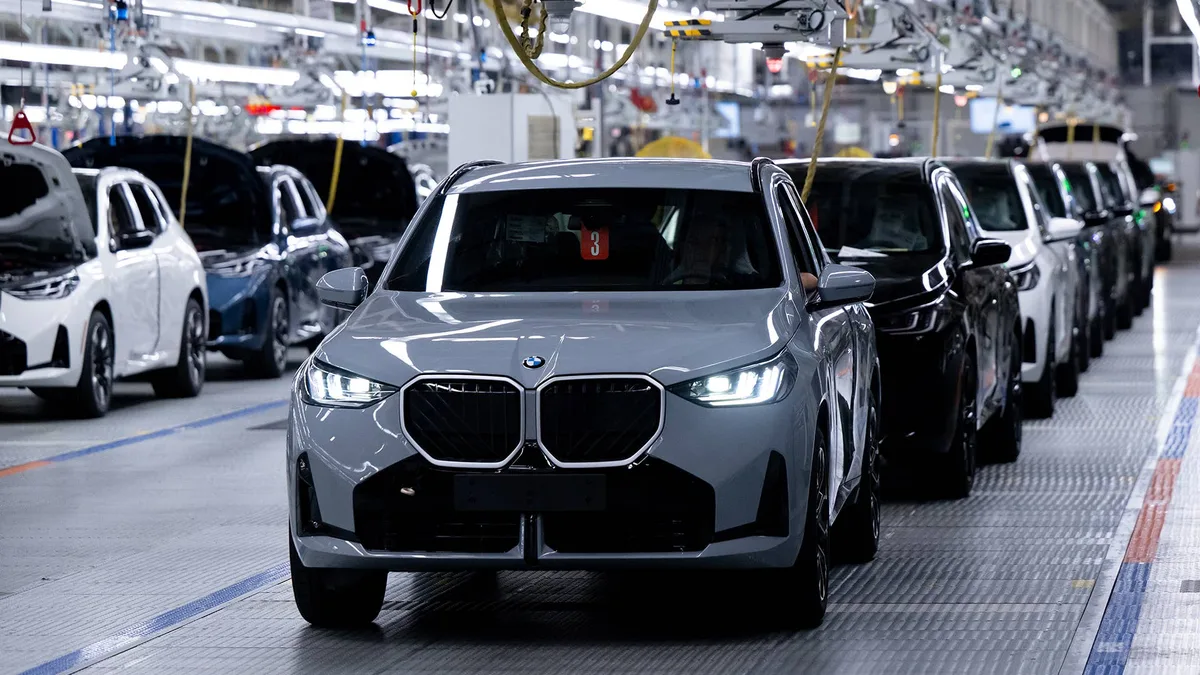
BMW's United States operations are proving to be a reliable pillar for the German automaker at a time when global automotive markets face mounting pressure from shifting consumer demand, supply chain recalibration, and the accelerating transition to electric vehicles. The performance underscores how critical the American market has become to BMW's broader financial health.
The U.S. has long been one of BMW's most profitable regions, driven by strong appetite for premium sedans, SUVs, and the brand's expanding EV lineup. When other markets soften — whether due to economic slowdowns in Europe or regulatory headwinds in Asia — a resilient American business gives the Munich-based automaker crucial breathing room to invest in next-generation platforms and technologies.
Read more Novo Nordisk Sues Eli Lilly Over Allegedly Deceptive GLP-1 Ads →
Analysts watching the luxury auto segment have noted that high-income American consumers have shown relative insulation from broader economic anxiety, continuing to purchase premium vehicles even as mass-market buyers pull back. This dynamic benefits BMW disproportionately, given its positioning at the upper end of the market where margins are strongest and brand loyalty runs deep.
The timing matters. BMW, like its German rivals Mercedes-Benz and Audi, is navigating a costly pivot toward electrification while simultaneously defending profitability in its core combustion-engine business. A well-performing U.S. division helps fund that dual-track strategy without forcing painful trade-offs between short-term earnings and long-term transformation investment.
Continue reading at Yahoo Finance.