Budget Airlines Are Struggling While Major Carriers Thrive
Spirit's bankruptcy exposes deep cracks in the ultra-low-cost model as United and Delta post strong results, signaling a structural shift in U.S. aviation.
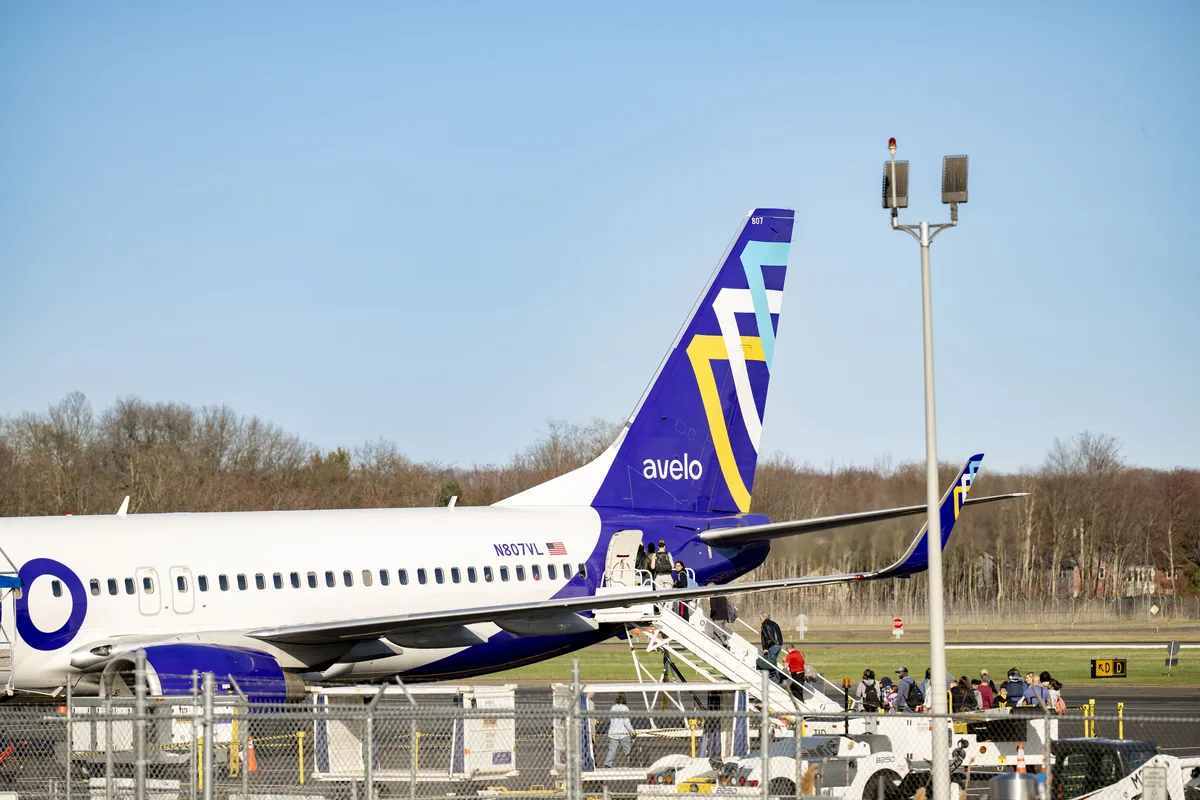
Spirit Airlines' collapse into bankruptcy has drawn a sharp line between winners and losers in today's U.S. aviation market, revealing that the ultra-low-cost carrier model is facing pressures that go far deeper than fluctuating jet fuel prices. While budget carriers have long competed on rock-bottom fares, that strategy is increasingly failing to translate into financial survival.
Meanwhile, legacy giants United and Delta are flying high, posting robust financial performances that suggest passengers are prioritizing reliability, comfort, and service options over the cheapest possible ticket. The divergence between these two camps points to a fundamental realignment of what American travelers actually want — and what they are willing to pay for.
Read more Munster and Ireland Prop Oli Jager Forced to Retire →
Analysts see Spirit's downfall not as a one-off casualty but as a warning sign for the broader budget airline segment. The ultra-low-cost formula — stripping fares to the bone while charging for every add-on from carry-on bags to seat selection — appears to be losing its appeal in a post-pandemic travel environment where consumers have demonstrated a greater willingness to spend on quality experiences.
The success of full-service carriers also reflects their ability to capture high-margin business and premium-cabin travelers, a demographic that budget airlines structurally cannot serve. This revenue diversity gives major carriers a cushion that low-cost competitors simply lack when market conditions tighten or operational costs rise unexpectedly.
Spirit's bankruptcy is forcing a broader reckoning across the industry about whether the discount airline playbook, once considered disruptive and unstoppable, still holds relevance in an era when traveler expectations and competitive dynamics have fundamentally changed. Continue reading at US Top News and Analysis.