Cerebras Stock Falls Below IPO Price After 50% Drop From Peak
AI chipmaker Cerebras has shed more than half its value from its all-time high, erasing early investor gains just weeks after going public.
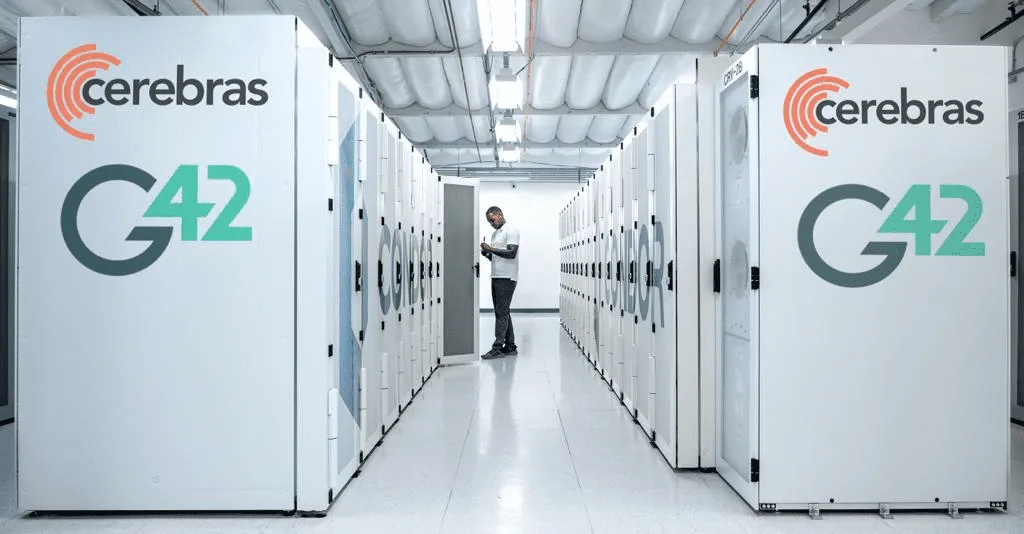
Cerebras Systems, the artificial intelligence chipmaker that debuted on public markets with considerable fanfare, watched its stock sink below its IPO price this week — a painful reversal that signals deepening trouble for investors who bet early on the company's promise in the competitive AI hardware space.
The decline is steep by any measure. Shares have now fallen more than 50% from their all-time intraday high, a peak the company reached just six weeks ago. That rapid erosion wipes out the gains that early buyers briefly enjoyed and raises urgent questions about whether the market's initial enthusiasm for AI chip plays was overextended.
Read more Brent Crude Breaks $100 as Goldman Eyes $120 Next →
Cerebras had been positioned as a serious challenger in the AI silicon race, a sector dominated by Nvidia but increasingly crowded with ambitious newcomers. The company's wafer-scale chip architecture drew significant attention from investors looking for the next breakthrough in AI computing infrastructure. Its IPO was seen as a bellwether moment for the broader AI hardware investment thesis.
The stock's collapse below its offering price marks a significant psychological and financial blow. Investors who purchased shares at the IPO — let alone those who chased the stock higher toward its peak — now sit underwater, with no clear near-term catalyst evident to reverse the slide. The speed of the drawdown, roughly 50% in under two months, puts Cerebras among the more dramatic post-IPO reversals in recent memory for a high-profile tech name.
The selloff underscores growing investor skepticism about richly valued AI hardware companies that have yet to demonstrate sustainable revenue at scale. As the broader AI trade faces scrutiny over timing and profitability, even well-publicized names like Cerebras are not immune to sharp corrections. Continue reading at MarketWatch.com