Chinese Humanoid Robots Face a Key Hurdle: Human Workers
Despite rapid advances, Chinese humanoid robots still can't match human efficiency in most real-world labor settings.
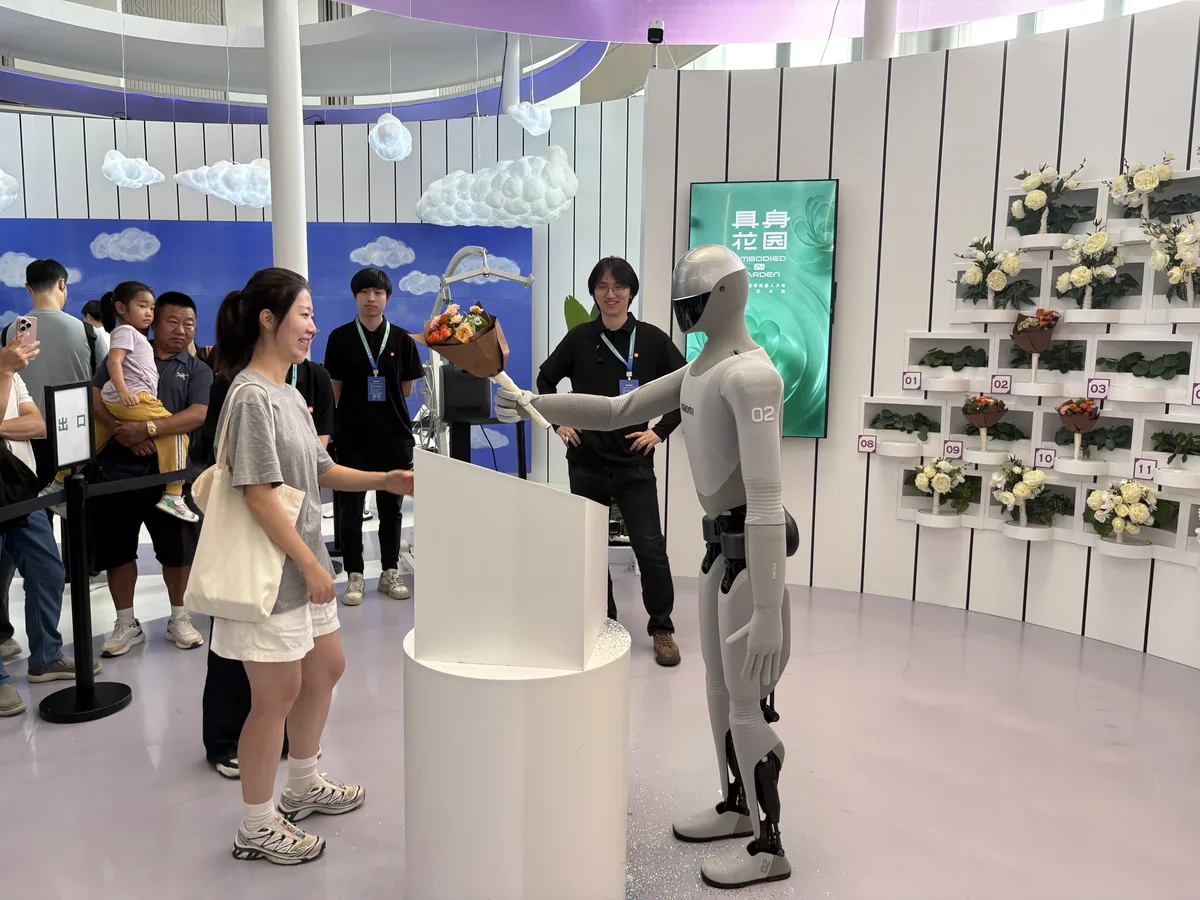
Chinese humanoid robots are making headlines, but they continue to fall short of human workers in most practical labor scenarios, according to reporting from US Top News and Analysis. The gap between robotic ambition and factory-floor reality remains a central challenge for developers racing to commercialize the technology.
Humans bring a combination of dexterity, adaptability, and contextual judgment that current humanoid platforms have yet to replicate at scale. Whether it's handling irregular objects, navigating unpredictable environments, or pivoting quickly to new tasks, workers still hold a decisive edge over their mechanical counterparts in the vast majority of use cases.
Read more AI Firm Deploys 200,000 Fake 'Victims' to Trap Online Scammers →
The stakes are high. China has positioned humanoid robotics as a strategic industrial priority, with state backing and a surge of domestic startups competing to close the capability gap. Yet the persistent performance deficit means widespread deployment in complex manufacturing or service roles remains a future ambition rather than a present reality.
Analysts watching the sector note that the challenge is not purely technical — it is also economic. Robots must not only perform tasks but do so at a cost and reliability threshold that justifies replacing or augmenting human labor. Until humanoid platforms clear that bar consistently, human workers will remain the more dependable option for employers weighing the tradeoff.
The road ahead for Chinese humanoid robotics is one of incremental progress measured against a deceptively capable benchmark: people. Continue reading at US Top News and Analysis.