City's Facial Recognition Push on Buses Sparks Privacy Debate
A city's plan to deploy facial recognition technology on public buses is drawing sharp pushback over civil liberties and surveillance concerns.
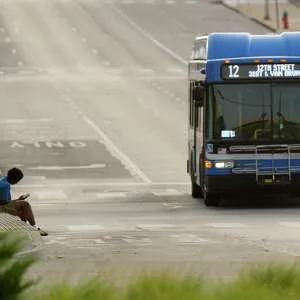
A municipal government is moving to install facial recognition technology aboard its public bus fleet, triggering an intense public debate over where the line between security and privacy should be drawn on taxpayer-funded transit systems. The proposal has galvanized advocates on both sides, with law enforcement supporters arguing the technology would deter crime and speed up suspect identification, while civil liberties groups warn it opens the door to unchecked government surveillance of everyday commuters.
Proponents of the initiative contend that rising safety concerns on public transportation justify deploying advanced identification tools, framing facial recognition as a force multiplier for understaffed transit police. Supporters point to use cases in other cities where camera-based systems have reportedly helped resolve incidents faster than traditional investigative methods.
Read more Obama Presidential Center Dedication Draws Star-Studded Crowd in Chicago →
Opponents, however, argue that blanketing public buses with biometric scanning technology effectively turns routine commutes into a surveillance gauntlet, disproportionately impacting communities of color and low-income riders who depend most heavily on public transit. Privacy advocates have raised alarms about data retention policies, potential misuse, and the well-documented accuracy gaps that plague facial recognition systems when identifying people with darker skin tones.
The debate reflects a broader national reckoning over how far local governments can go in deploying emerging surveillance tools in shared public spaces without robust legislative guardrails. Several US cities have already moved to ban or sharply restrict government use of facial recognition, while others have embraced it, leaving a patchwork of rules with no federal standard in place.
The outcome of this city's deliberations could set a precedent for transit agencies across the country weighing similar investments. Continue reading at yourconroenews.