Comcast-NBCU Spinoff: What History Says About Media Splits
Comcast plans to separate its cable and broadband unit from NBCUniversal, but past media spinoffs have delivered uneven returns for shareholders.
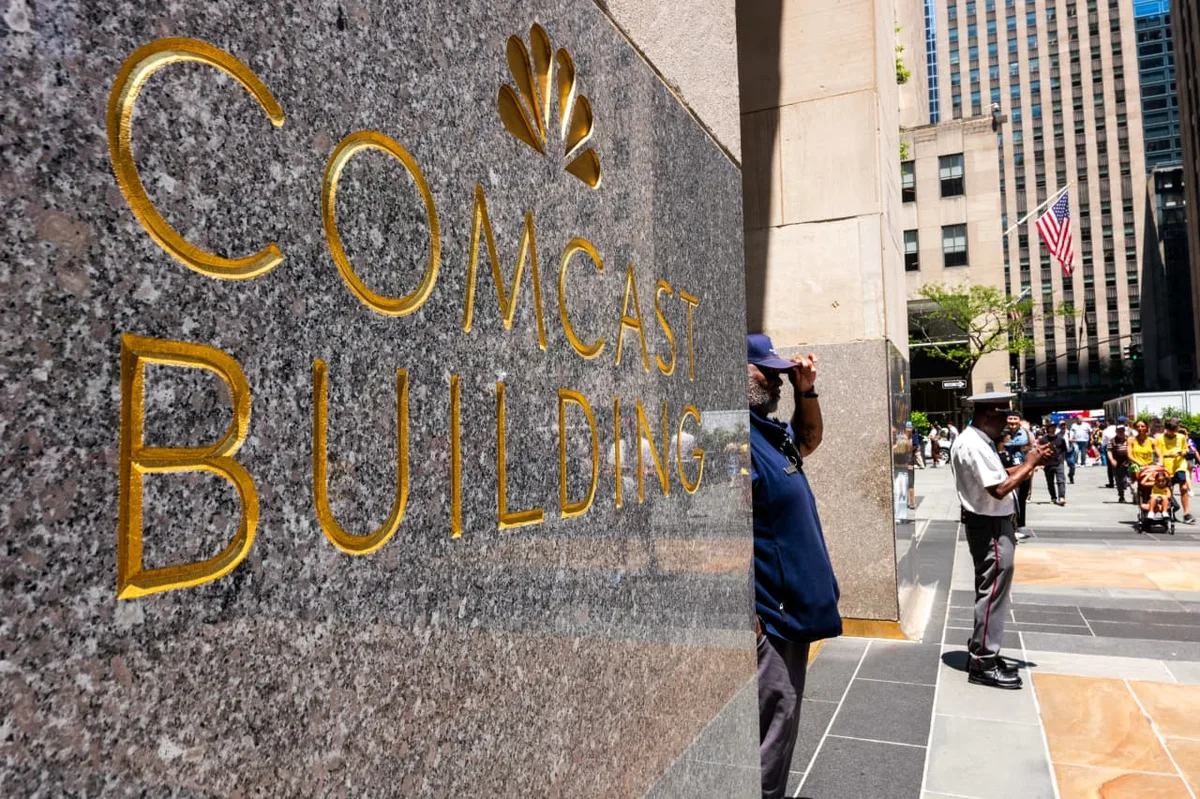
Comcast announced plans to spin off NBCUniversal from its core cable and broadband operations, arguing the separation will unlock hidden value in both businesses — a bold bet on a media landscape that has punished slow-moving legacy players for years. The move would create two distinct publicly traded entities, each free to pursue its own strategic priorities without the financial drag of the other.
The logic behind the split is straightforward: cable and broadband generate reliable, subscription-driven cash flows, while NBCUniversal carries the higher-risk, higher-reward volatility of entertainment, streaming, and theme parks. By separating them, Comcast believes Wall Street will more accurately price each business on its own merits rather than applying a conglomerate discount to the combined entity.
Read more Brent Crude Breaks $100 as Goldman Eyes $120 Next →
But history offers a cautionary note. Media spinoffs have produced decidedly mixed results for investors, with outcomes depending heavily on the competitive environment each newly independent company inherits, the debt load it carries post-split, and management's ability to execute without a parent company's balance sheet as a backstop. Some spun-off media companies have thrived; others have struggled to survive as standalone operations.
For Comcast shareholders, the critical questions are whether NBCUniversal can compete in streaming without the financial cushion of its broadband sibling, and whether the cable and broadband unit can sustain growth as cord-cutting accelerates. Neither question has an easy answer in the current environment, where advertising markets remain volatile and broadband subscriber growth has slowed across the industry.
Continue reading at MarketWatch.com