Crypto Legislation Faces Summer Clock as Congress Recesses
Congressional momentum on crypto clarity stalls as lawmakers head into summer break, raising questions about timeline for key digital asset bills.
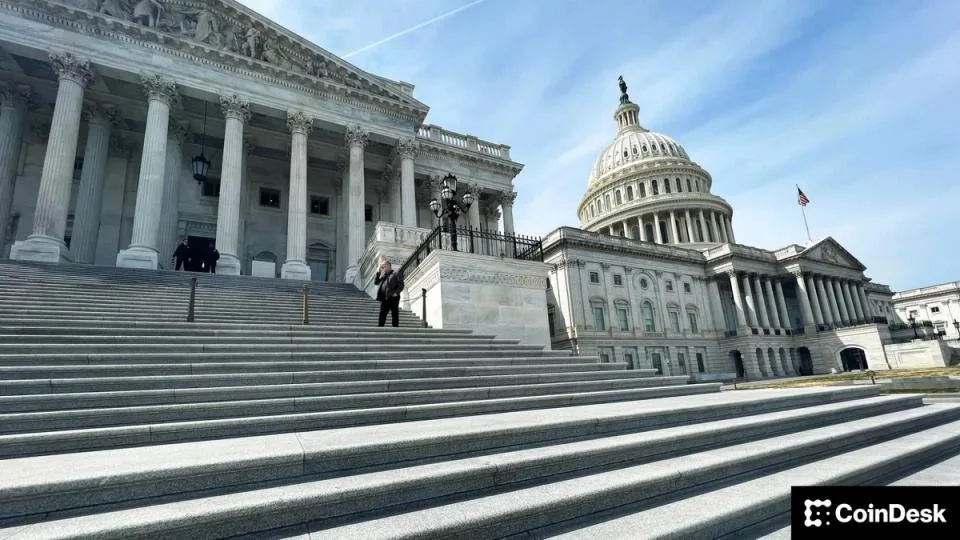
Washington's push for a comprehensive cryptocurrency regulatory framework is running up against the congressional calendar, as lawmakers depart for their summer recess before finalizing landmark digital asset legislation that industry advocates have long sought. The pause leaves crypto markets and companies in a familiar state of regulatory limbo, uncertain when — or whether — definitive rules will arrive.
The absence of clear federal guidelines has been a persistent friction point for the digital asset industry, which has navigated a patchwork of enforcement actions and agency guidance rather than concrete statutory law. Both the House and Senate have advanced separate legislative efforts targeting areas such as stablecoin oversight and broader market structure rules, but the two chambers have yet to reconcile their approaches into a unified bill ready for a presidential signature.
Read more Trump Targets 60 Trade Partners With New Sweeping Tariffs →
The summer break compresses the remaining legislative window considerably. Congress typically returns in September, leaving only a narrow stretch of working weeks before the end-of-year holiday slowdown and the political maneuvering that tends to crowd out complex financial legislation. Observers note that any bill would still need to survive committee markups, floor votes in both chambers, and conference negotiations before becoming law.
For crypto businesses and investors, the delay carries real costs — compliance teams must plan around uncertainty, and institutional capital that might otherwise flow into the sector often sits on the sidelines awaiting regulatory green lights. The longer Congress waits, the more the regulatory vacuum is filled by agency rulemaking and litigation, a dynamic critics argue disadvantages U.S. firms relative to competitors in jurisdictions with clearer rules.
Continue reading at CoinDesk.