Dollar Bulls Hit 10-Year High: What Drives the Greenback Higher
Investor bullishness on the U.S. dollar has reached a decade-high, hinging on oil prices and Fed policy expectations amid Middle East tensions.
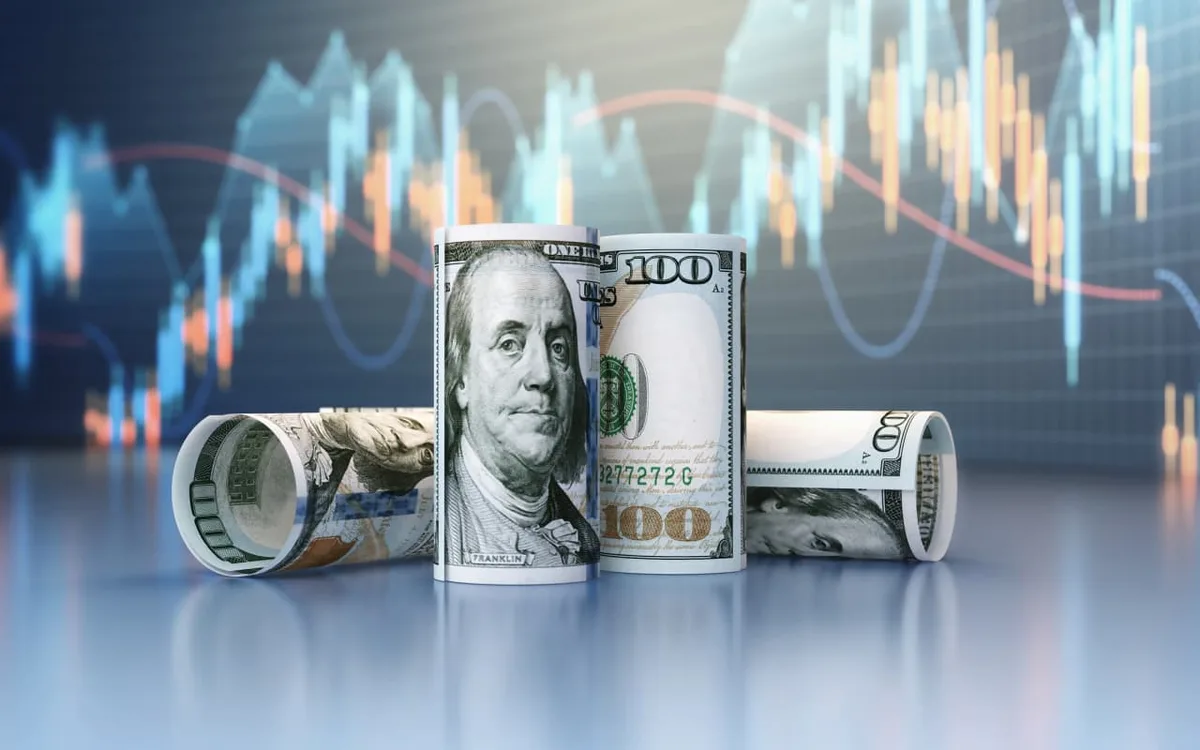
Bullish bets on the U.S. dollar have surged to their highest level in roughly ten years, as investors pile into the greenback amid a confluence of geopolitical and monetary policy pressures. The crowded trade reflects growing conviction that the dollar has room to climb further, though the durability of that rally hinges on several volatile factors coming together at once.
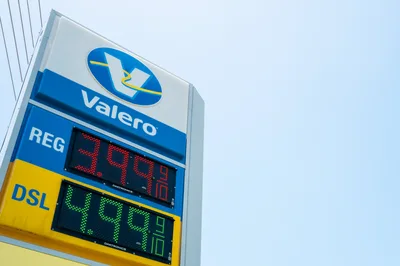
A sharp rise in oil prices Wednesday is emerging as a critical variable for dollar bulls. Renewed tensions in the Middle East rattled energy markets, sending crude higher and reigniting fears that inflation could prove stickier than policymakers had hoped. For currency traders, sustained elevated oil prices translate directly into a case for the Federal Reserve maintaining tighter monetary policy longer than markets had previously priced in.
Read more Brent Crude Breaks $100 as Goldman Eyes $120 Next →
The Fed connection is central to the dollar's near-term trajectory. When expectations shift toward higher-for-longer interest rates, the dollar typically benefits as yield-seeking investors rotate into dollar-denominated assets. The latest geopolitical flare-up has reinforced that narrative, giving traders fresh reason to hold or extend long-dollar positions even after an already significant run-up in positioning.
The risk for bulls is the trade's own crowdedness. When a currency bet becomes this consensus-driven, any disappointment — a swift de-escalation in the Middle East, softer inflation data, or a dovish Fed signal — could trigger a rapid unwind and sharp reversal. Analysts watching positioning data will be monitoring whether new capital continues to flow in or whether the trade starts showing signs of exhaustion at these elevated levels.
The outcome of Wednesday's oil-price move and how durably it feeds into inflation expectations will likely set the tone for the dollar in the sessions ahead. Continue reading at MarketWatch.com