Employers Hold the Line on GLP-1 Obesity Drug Coverage in 2025
Employer coverage of GLP-1 drugs for weight loss has stalled at 36%, with many companies seeking workarounds rather than expanding benefits.
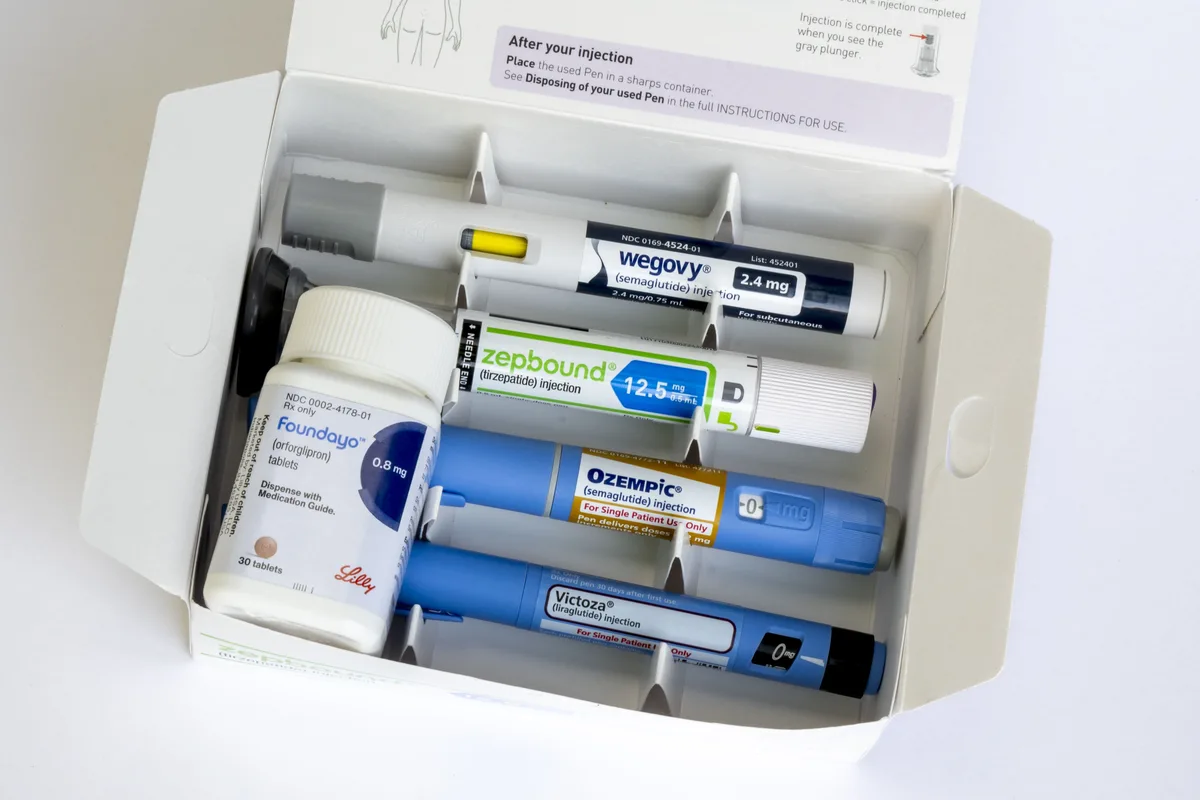
Employer health coverage of GLP-1 drugs for obesity treatment has flatlined, with roughly 36% of companies offering benefits for both diabetes and weight loss — a figure unchanged from 2025 and only marginally higher than the 34% recorded in 2024, according to new survey data. The numbers signal that despite surging demand for medications like Ozempic and Wegovy, most employers are not rushing to expand their formularies.
Rather than broadening coverage, many employers are actively seeking ways to limit or route around the cost burden these drugs impose. GLP-1 medications carry steep list prices that can strain corporate health budgets, and the near-flat adoption rate suggests that cost containment is winning out over employee demand for wider access.
Read more Novo Nordisk Sues Eli Lilly Over Allegedly Deceptive GLP-1 Ads →
The stagnation is notable given the rapid rise of GLP-1 drugs as a cultural and medical phenomenon over the past two years. Analysts have pointed to the high per-member cost as the primary brake on employer adoption, with many plan sponsors opting for prior authorization requirements, step-therapy protocols, or outright exclusions for the weight-loss indication even when covering the same drugs for diabetes management.
For workers hoping their employer-sponsored plan will foot the bill for weight-loss treatment, the data offers a sobering picture. The gap between public enthusiasm for GLP-1 therapies and the willingness of employers to pay for them remains wide, and the latest figures suggest that gap is not closing at any meaningful pace. Benefit consultants expect the coverage landscape to remain contested well into 2026 as employers weigh clinical value against premium pressure.
Continue reading at US Top News and Analysis.