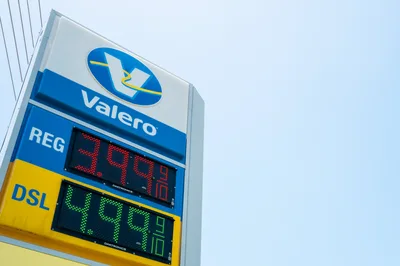
Fed July Rate Hike Odds Climb as Oil Prices Surge
Rising oil prices tied to Strait of Hormuz tensions are pushing up market expectations for a Federal Reserve rate hike in July.
Market odds of a Federal Reserve interest rate hike in July climbed sharply after oil prices surged in response to the latest developments in the Strait of Hormuz, a critical global shipping corridor whose instability often rattles energy markets and rekindles inflation concerns.
The jump in crude prices is renewing pressure on the Fed to act sooner rather than later. When energy costs rise, they feed directly into consumer price indexes and broader inflation measures — precisely the metrics the Fed watches most closely when calibrating its rate decisions.
Read more Brent Crude Breaks $100 as Goldman Eyes $120 Next →
The Strait of Hormuz sits at the center of global oil supply chains, and any sign of escalating tension there has historically translated into rapid repricing across commodity markets. That repricing, in turn, shifts trader expectations for central bank policy, often within hours of headlines breaking.
Analysts will be watching whether the oil price spike proves sustained or short-lived, since a temporary move may not be enough to push Fed policymakers past their current posture of holding rates steady. However, a prolonged surge could accelerate the timeline for another tightening move as the central bank works to keep inflation in check.
Continue reading at US Top News and Analysis