Ford CEO Pushes for Fair Trade Rules as USMCA Talks Resume
Ford's CEO is demanding a level playing field with Toyota and GM imports as USMCA trade negotiations reopen, citing the automaker's massive U.S. production footprint.
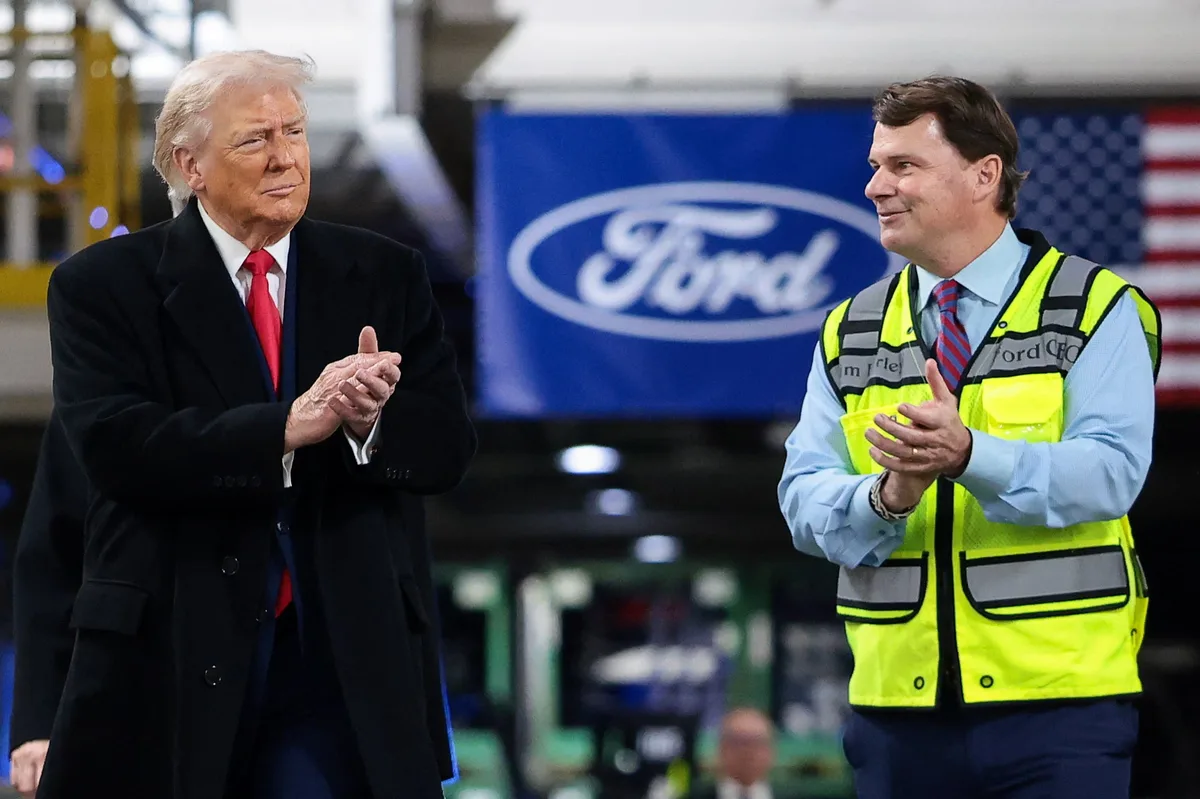
Ford CEO Jim Farley is pressing U.S. trade negotiators for equal competitive footing with rival automakers, including Toyota and General Motors, as the United States-Mexico-Canada Agreement comes up for its scheduled review and renegotiation. The call comes at a pivotal moment for North American automotive trade policy, with tariff structures and rules-of-origin requirements squarely in the crosshairs of the talks.
Ford is leaning hard on its domestic manufacturing record to bolster the argument. The company says it assembled more than 2 million vehicles inside the United States last year — a figure it claims tops every other automaker operating in the country. Of those, roughly 311,000 units were built for export markets, underscoring the company's role as both a domestic employer and a global supplier.
Read more Trump Targets 60 Trade Partners With New Sweeping Tariffs →
The "level playing field" framing is a pointed signal to policymakers: Ford wants any revised USMCA framework to account for the competitive disadvantage it perceives when rivals benefit from favorable import arrangements or lower-cost regional production without comparable U.S. assembly commitments. The argument echoes longstanding tensions between automakers that rely heavily on U.S. plants and those that source more production from lower-cost partners in the trade bloc.
The USMCA, which replaced NAFTA in 2020, contains a mandatory joint review clause, making the current round of talks a formal and consequential process rather than a discretionary diplomatic exercise. Automakers on all sides are expected to lobby aggressively as governments weigh updated rules on content requirements, labor standards, and tariff treatment for vehicles and parts crossing North American borders.
How negotiators balance the competing interests of domestic assemblers like Ford against the broader supply chain realities facing the entire industry will shape the competitive landscape for years. Continue reading at US Top News and Analysis.