Ford Rehires 350 Veteran Engineers After AI Fails Quality Control
Ford brought back hundreds of experienced engineers after discovering its AI systems couldn't match human expertise in catching manufacturing defects.
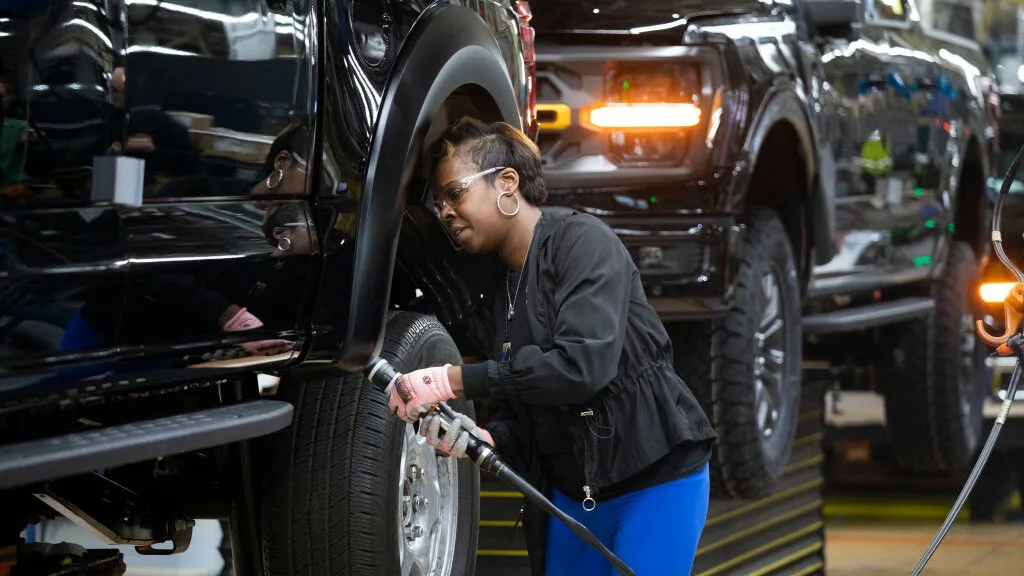
Ford Motor Company reversed course on an ambitious artificial intelligence initiative, rehiring approximately 350 veteran engineers after the automaker determined its AI-driven quality control systems were not sophisticated enough to replace seasoned human judgment on the production floor. The move signals a significant recalibration in how one of America's largest automakers balances emerging technology with hard-won institutional knowledge.
The decision underscores a broader tension playing out across the manufacturing sector, where companies have rushed to deploy AI tools to cut costs and boost efficiency — only to discover that decades of engineering expertise are not easily replicated by algorithms. Quality control in automotive manufacturing involves complex, context-dependent assessments that current AI systems struggle to perform with the reliability demanded by safety-critical production environments.
Read more Novo Nordisk Sues Eli Lilly Over Allegedly Deceptive GLP-1 Ads →
For Ford specifically, the rehiring represents both a pragmatic admission and a strategic pivot. Rather than abandoning AI altogether, the company appears to be pursuing a hybrid model in which experienced engineers work alongside automated systems — using human intuition to catch what machines miss and to help train future AI iterations on real-world edge cases that datasets alone cannot anticipate.
The episode carries wider implications for the auto industry at a time when legacy manufacturers face intense pressure from electric vehicle competitors and tightening profit margins. Investing in veteran talent is expensive, but the cost of quality failures — recalls, reputational damage, and regulatory scrutiny — can dwarf any short-term savings achieved through workforce automation. Ford's retreat from full AI dependency may serve as a cautionary benchmark for rivals weighing similar transitions.
Continue reading at Yahoo Finance.