GM Pursues US Battery Development Amid Ford-China Scrutiny
GM is moving to build domestic battery supply chains for EVs and energy storage as Trump's DOT targets Ford over China ties.
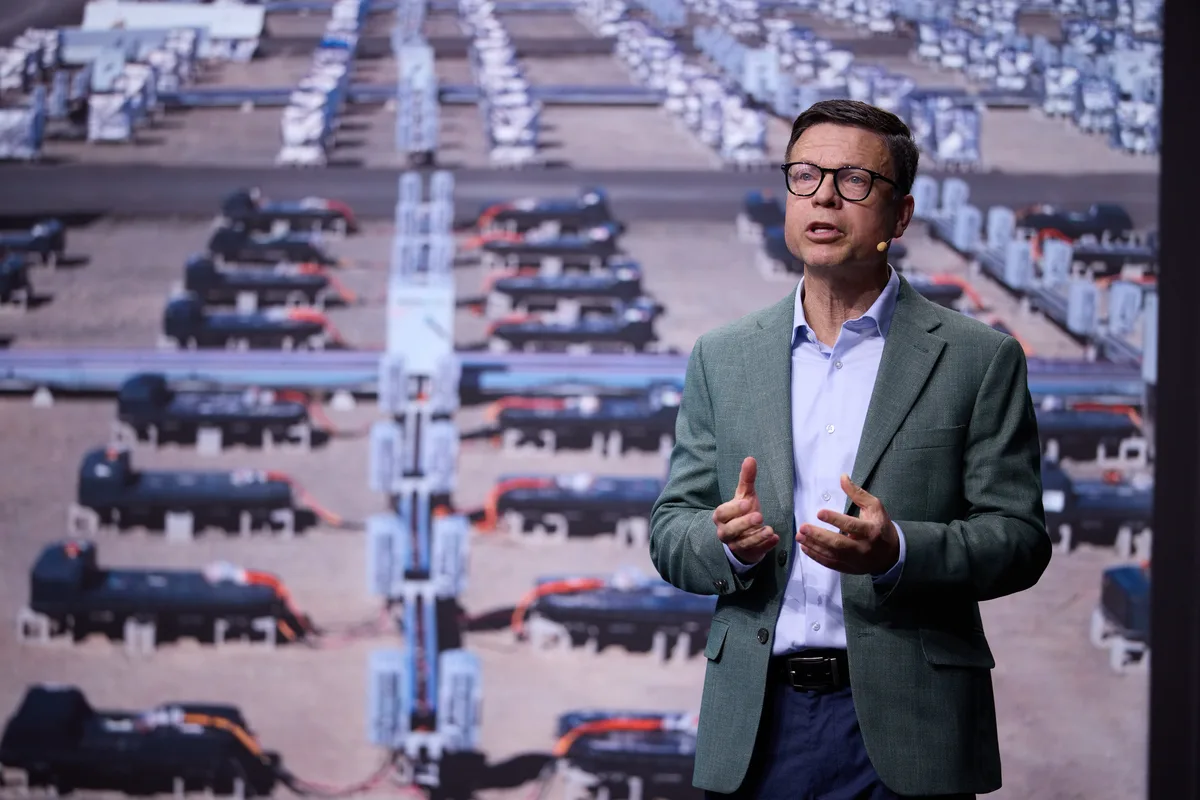
General Motors is pushing forward with plans to develop battery technology on American soil, a strategic move aimed at reducing the auto industry's deep dependence on Chinese raw materials, according to reporting from CNBC. The initiative targets supply chains for both electric vehicles and energy storage systems — two sectors where China currently dominates upstream material supply.
The announcement arrives as the Trump administration's Department of Transportation escalates pressure on rival automaker Ford over its business relationships with Chinese entities. The political and regulatory heat underscores growing federal scrutiny of any American manufacturer perceived as too intertwined with Chinese supply chains or partners.
Read more AI Tools Are Shaping Workplace Pay and Performance Talks →
The vast majority of battery cells in circulation today rely on critical raw materials — including lithium, cobalt, and manganese — sourced predominantly from China or processed through Chinese-controlled facilities. GM's domestic development push signals an acknowledgment that this dependency poses both a business risk and a national security vulnerability in the current political climate.
By investing in home-grown battery supply chains, GM appears to be positioning itself favorably against potential tariffs, export controls, or other trade actions that could disrupt Chinese material flows. The strategy could also insulate the company from the kind of federal criticism currently being directed at Ford, giving GM a competitive and political advantage as Washington intensifies its focus on EV supply chain origins.
The contrasting fortunes of the two Detroit giants illustrate how swiftly federal policy can reshape corporate strategy in the EV space. Continue reading at US Top News and Analysis.