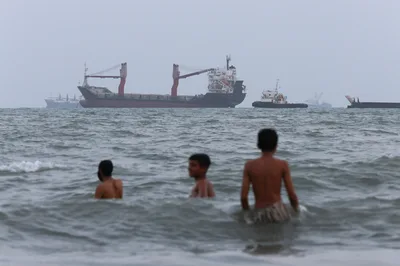
Gulf Nations Unlikely to Back Strait of Hormuz Toll Plan
Industry sources say Gulf states will resist any fee-based safe-passage scheme through the critical Strait of Hormuz.
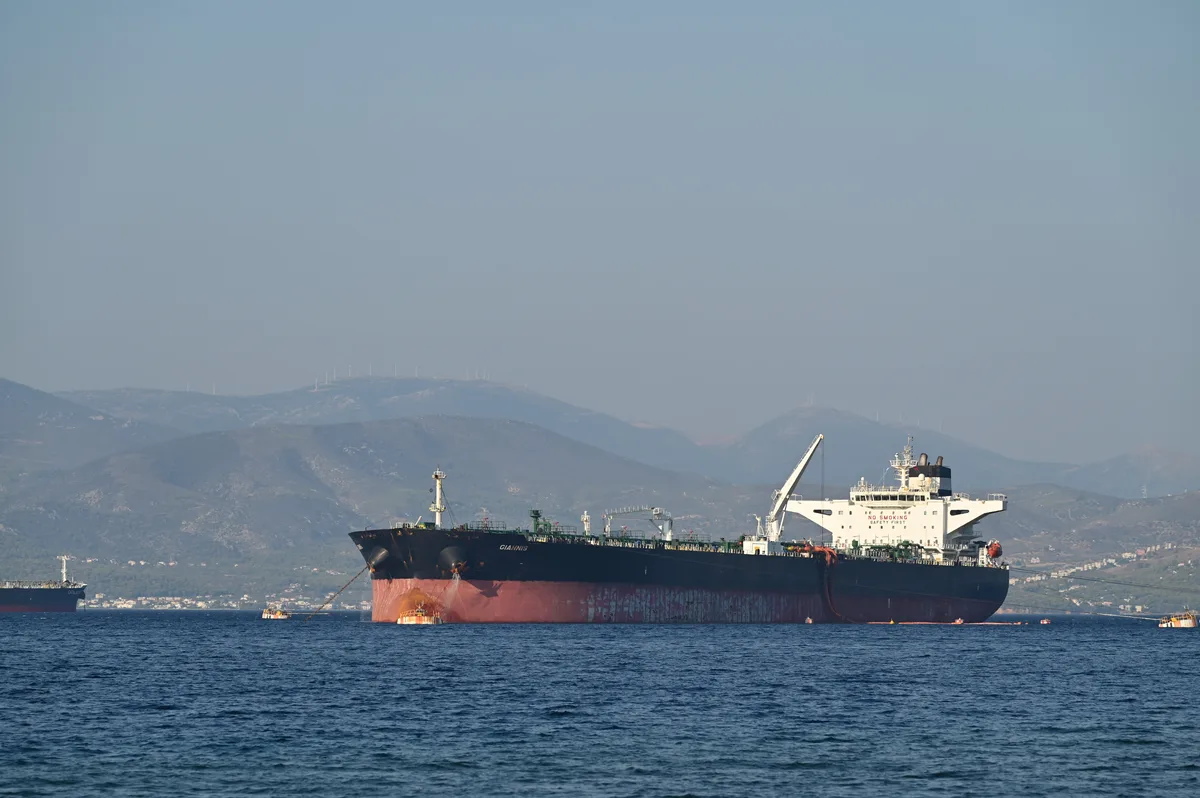
Gulf nations are highly unlikely to agree to or comply with any proposed toll or fee system for safe passage through the Strait of Hormuz, according to reporting by CNBC's Brian Sullivan based on conversations with regional sources. The assessment signals significant geopolitical resistance to what would be a dramatic shift in how one of the world's most strategically vital waterways is governed.
The Strait of Hormuz serves as the primary maritime corridor for a substantial share of global oil and liquefied natural gas exports, making any disruption or policy change there a matter of acute concern for energy markets and international trade. A toll mechanism, if ever implemented, would represent an unprecedented monetization of access to the chokepoint and could trigger sharp diplomatic and economic blowback.
Read more FDA Approves Gilead's New Daily HIV Pill to Ease Treatment →
Sullivan's sourcing suggests that beyond reluctance in principle, Gulf states would also struggle to adhere to such an arrangement in practice, raising questions about enforceability even if a framework were somehow negotiated. The distinction between unwillingness and inability to comply underscores the complexity of managing multilateral maritime agreements in a region defined by competing national interests and longstanding tensions.
The report adds analytical weight to ongoing debates about freedom of navigation and the broader question of whether major energy transit routes can or should be commercialized. For now, sources close to the region indicate that the political will simply does not exist among Gulf nations to move such a proposal forward.
Continue reading at US Top News and Analysis.