Gulf Oil Producers Find Ways to Bypass Iran's Hormuz Threat
Middle East exporters are deploying new tactics to keep oil flowing through the Strait of Hormuz despite Iranian pressure.
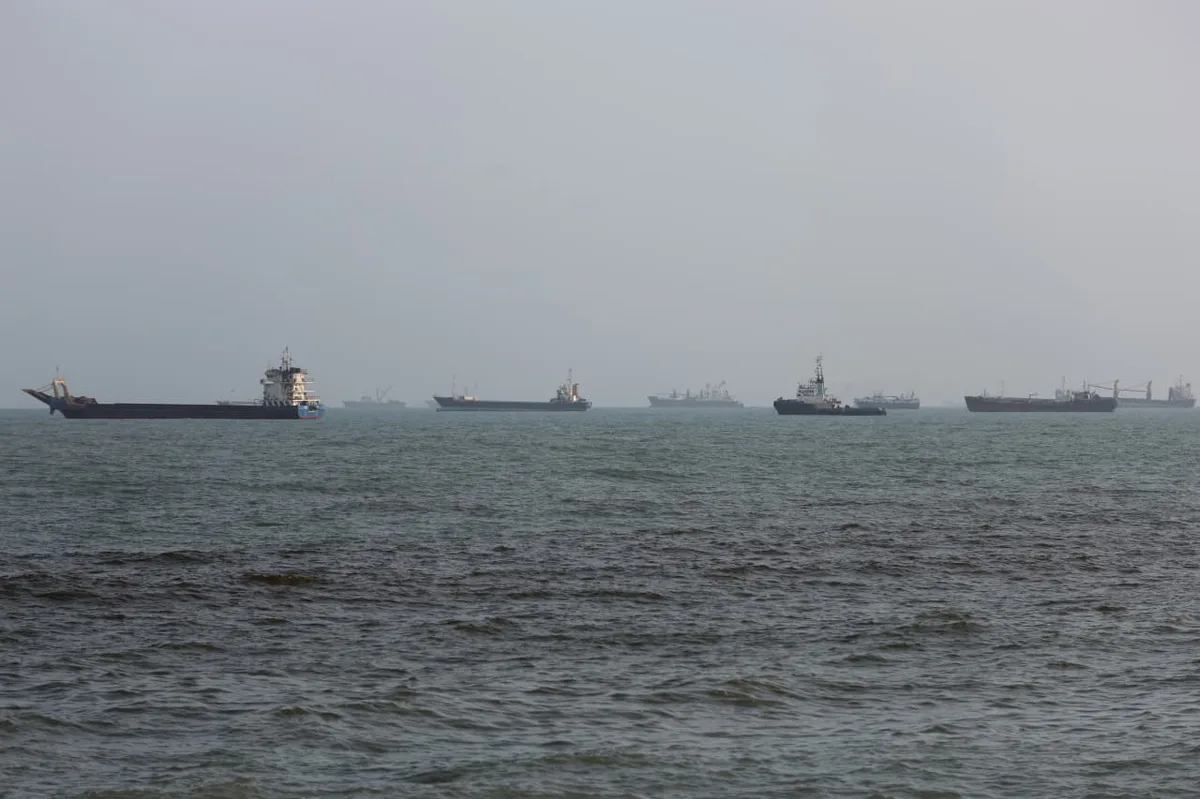
Middle East oil producers are actively developing and executing maneuvers designed to sustain crude shipments through the Strait of Hormuz, the world's most critical petroleum chokepoint, even as Iranian threats cast a persistent shadow over the waterway. The moves signal a determined push by regional exporters to keep their product reaching global markets without interruption.
The Strait of Hormuz handles a significant share of the world's seaborne oil trade, making any disruption there a potential shock to global energy prices. Iran has repeatedly threatened to close or restrict the strait as a geopolitical leverage tool, prompting neighboring producers to seek contingency strategies that reduce their vulnerability to such actions.
Read more Markets Bet on Warsh Rate Hike in September, But Doubts Linger →
By finding alternative routing options and logistical workarounds, Gulf exporters are effectively calling Iran's bluff — maintaining supply chains that the market depends on while limiting Tehran's ability to weaponize the chokepoint. The success of these efforts could have meaningful implications for oil price stability and broader energy security calculations among importing nations.
Analysts will be watching whether these tactics prove durable enough to neutralize Iran's leverage over the strait long-term, or whether escalating tensions could still disrupt flows in ways that current maneuvers cannot fully offset. Either outcome carries significant consequences for global crude benchmarks and the geopolitical balance of power in the Persian Gulf region.
Continue reading at MarketWatch.com