Hormuz Tanker Traffic Slows as U.S.-Iran Clashes Rattle Oil Markets
Tanker movement through the Strait of Hormuz has slowed sharply after Iranian attacks sparked renewed U.S.-Iran fighting, pushing oil prices up more than 7% this week.
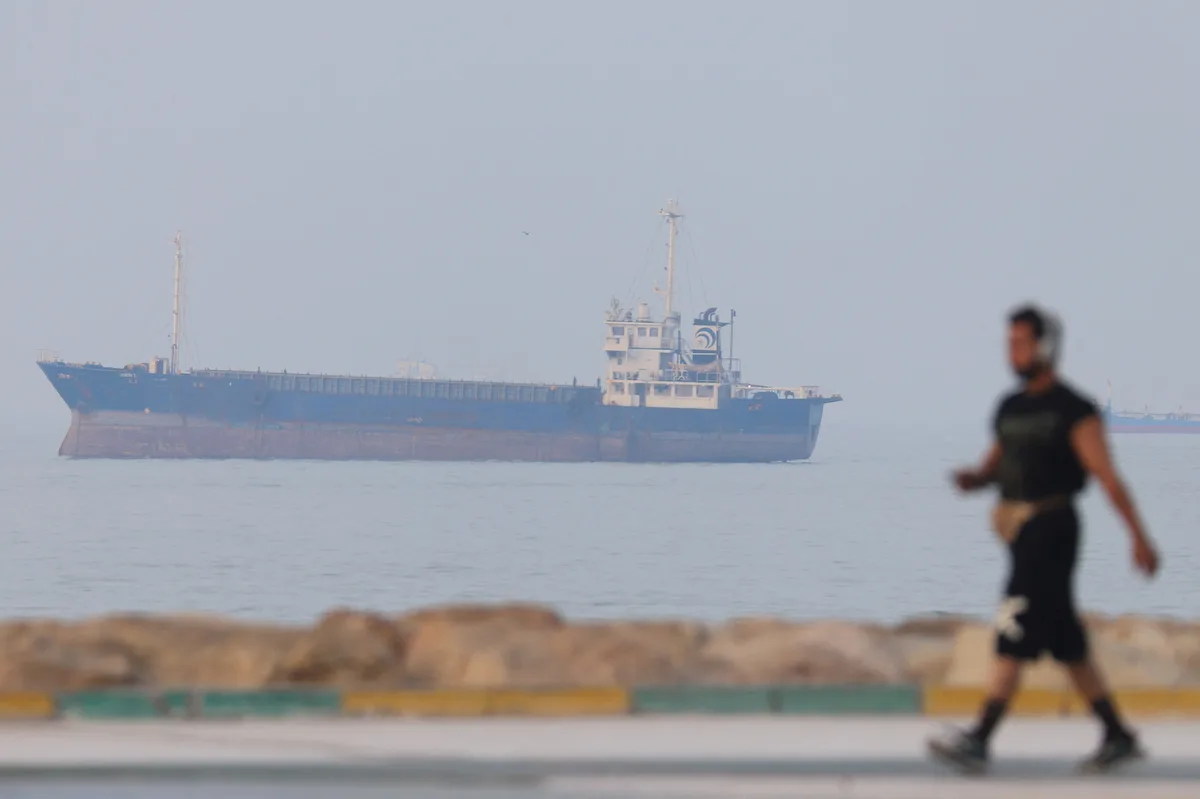
Tanker traffic through the Strait of Hormuz dropped sharply this week after Iranian attacks triggered renewed military exchanges with the United States, stoking fears of a significant disruption to one of the world's most critical oil shipping lanes. The escalation prompted investors to bid up crude prices by more than 7% over the course of the week, reflecting deep anxiety over the potential loss of export capacity through the narrow waterway.
The Strait of Hormuz serves as the chokepoint through which a substantial share of global oil exports pass, making any conflict in the region an immediate concern for energy markets worldwide. The latest flare-up between Washington and Tehran has reignited longstanding worries about what a sustained closure or disruption of the strait would mean for global supply chains and fuel prices.
Read more Brent Crude Breaks $100 as Goldman Eyes $120 Next →
Market participants are closely watching whether the fighting escalates further or whether diplomatic channels can de-escalate tensions before shipments are curtailed more severely. The 7%-plus surge in oil prices this week signals that traders are already pricing in a meaningful risk premium tied to the conflict, even before any prolonged blockade or large-scale shipping stoppage has materialized.
Analysts note that the combination of military uncertainty and the strategic importance of the strait creates a volatile environment where prices could move sharply in either direction depending on how events unfold in the coming days. Any indication that tanker traffic could be halted for an extended period would likely push energy costs significantly higher, with downstream effects on inflation and consumer prices across import-dependent economies.
Continue reading at US Top News and Analysis.