How Rising US-Iran Tensions Will Hit Airlines and Home Builders
Trump's declaration ending the Iran cease-fire rattles Wall Street, with airlines and home builders seen as bigger losers than oil companies are winners.
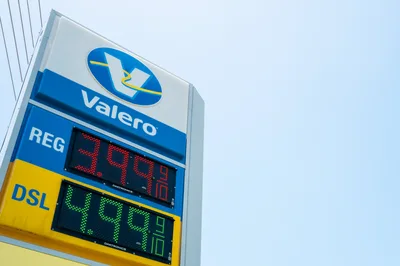
President Trump declared the Iran cease-fire over, and Wall Street is already recalibrating which sectors stand to absorb the sharpest economic blows — and the answer goes well beyond the gas pump. Analysts see airlines and home builders bearing a disproportionate share of the pain as tensions escalate, even as many investors reflexively reach for energy stocks.
For airlines, the threat is straightforward: higher jet-fuel costs compress margins at a moment when carriers are still navigating post-pandemic demand shifts and labor pressures. A sustained spike in crude prices can rapidly erode profitability for an industry that operates on notoriously thin margins and has limited short-term ability to hedge away the exposure.
Read more Brent Crude Breaks $100 as Goldman Eyes $120 Next →
Home builders face a less obvious but equally serious threat. Rising geopolitical uncertainty tends to push mortgage rates higher by stoking inflation expectations and rattling bond markets. When borrowing costs climb, housing affordability deteriorates, cooling demand precisely when the sector has been counting on a rate-relief rebound to sustain sales momentum.
Oil companies, the intuitive beneficiaries of Middle East tension, are expected to see more modest upside than conventional wisdom suggests. Wall Street's measured outlook on energy stocks implies that any crude-price rally may be capped by demand destruction concerns and the broader economic drag that an extended conflict would produce across the U.S. economy.
The broader takeaway from market analysts is that geopolitical risk rarely confines its damage to one sector, and consumers should expect ripple effects far beyond the price displayed at the gas station. Continue reading at MarketWatch.com