How to Track Fed Policy in the Kevin Warsh Era
Wall Street must now do more analytical work as Kevin Warsh reshapes Fed-watching. Two key benchmarks can help investors find their footing.
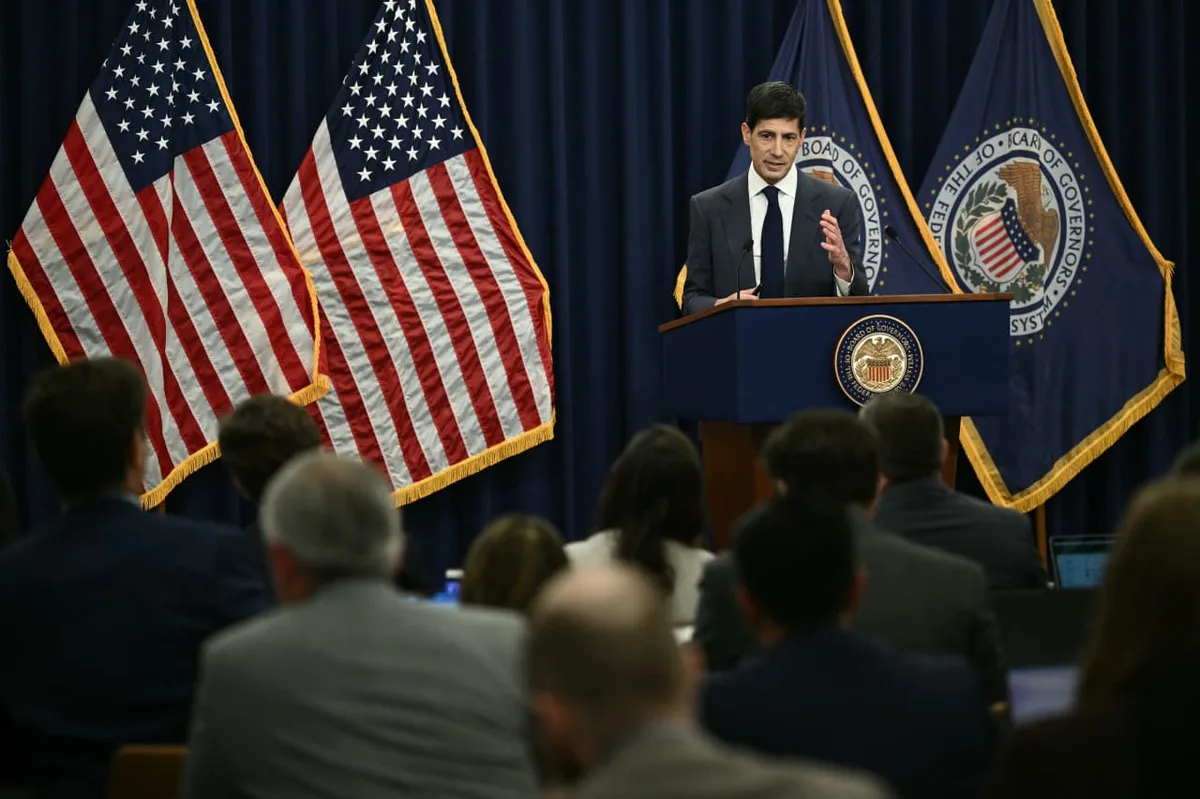
Wall Street's long-reliable playbook for decoding Federal Reserve signals is getting a major overhaul as Kevin Warsh emerges as a central figure shaping how markets interpret monetary policy. The shift is forcing professional investors and everyday traders alike to take a more hands-on approach to anticipating the Fed's next moves, rather than simply waiting for clear guidance from policymakers.
Warsh, a former Fed governor known for his market-focused perspective and skepticism of unconventional monetary tools, represents a departure from the communication styles investors have grown accustomed to in recent Fed cycles. His influence means the central bank may offer fewer explicit forward-guidance signals, putting the burden of analysis squarely on market participants themselves.
Read more Cathie Wood Sells Nearly $60 Million in Growth Stocks →
To navigate this new landscape, analysts are pointing to two specific charts as essential benchmarks for gauging where monetary policy is headed. While the source does not detail the charts by name, the emphasis is clear: data-driven, visual tools are becoming indispensable for anyone trying to stay ahead of rate decisions in an era when Fed transparency may be deliberately dialed back.
The practical implication for investors is significant. When central bank communication becomes less predictive, volatility in rate-sensitive assets — from Treasuries to growth stocks — tends to increase. That means portfolio positioning and risk management must adapt to a world where the Fed offers less of a roadmap and market participants must generate their own forecasts with greater conviction.
For those navigating markets in real time, developing fluency with the right economic indicators has never been more important. Continue reading at MarketWatch.com