Iran Warns Ships: Strait of Hormuz Transits Need Tehran's Approval
Iran issued a blunt warning to shipping vessels, calling unauthorized Strait of Hormuz transits 'unacceptable and dangerous' as Tehran asserts control.
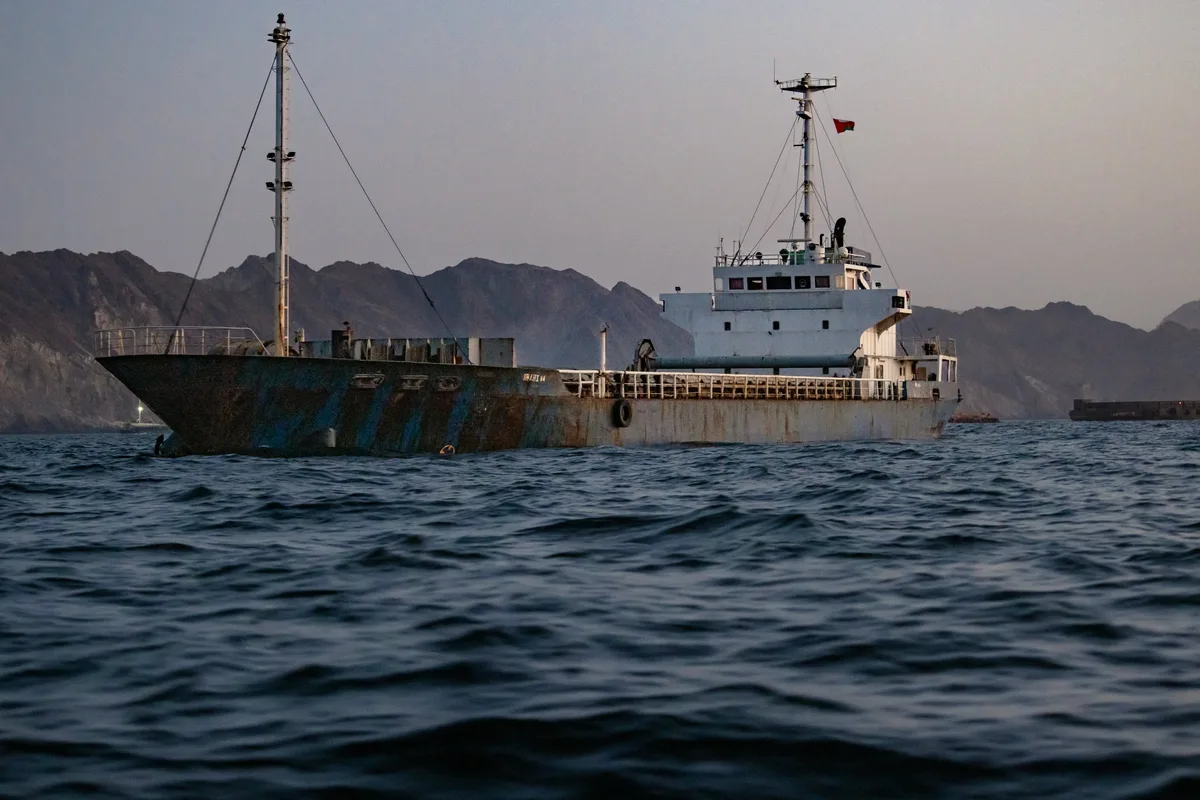
Iran delivered a sharp warning to international shipping on Monday, declaring that any vessel transiting the Strait of Hormuz without Tehran's explicit approval is engaging in behavior the Islamic Republic considers both unacceptable and dangerous, according to US Top News and Analysis.
The warning signals Iran's determination to assert authority over one of the world's most strategically vital maritime chokepoints. The Strait of Hormuz serves as the primary export route for a significant share of global oil shipments, making any disruption there a matter of acute concern for energy markets and international trade routes.
Read more Trump Targets 60 Trade Partners With New Sweeping Tariffs →
By issuing this declaration, Tehran is drawing a clear line for naval and commercial operators who may seek to move through the waterway without coordinating with Iranian authorities. The move underscores a long-standing Iranian position that it holds veto power over passage through the strait — a claim disputed by international maritime law, which generally guarantees the right of transit passage through international straits.
Analysts note that such warnings from Tehran typically intensify during periods of heightened geopolitical tension, serving as both a deterrent signal and a demonstration of domestic resolve. Whether Iran intends to enforce the warning through active interdiction or relies on it primarily as a diplomatic pressure tool remains to be seen, but the message alone is likely to inject fresh uncertainty into already volatile oil markets.
Continue reading at US Top News and Analysis.