Iraq Exit Threat Adds to Pressure on Oil Prices Below $50
Iraq's signals it may leave OPEC are shaking an already fragile oil market, raising the prospect of prices falling below $50 a barrel.
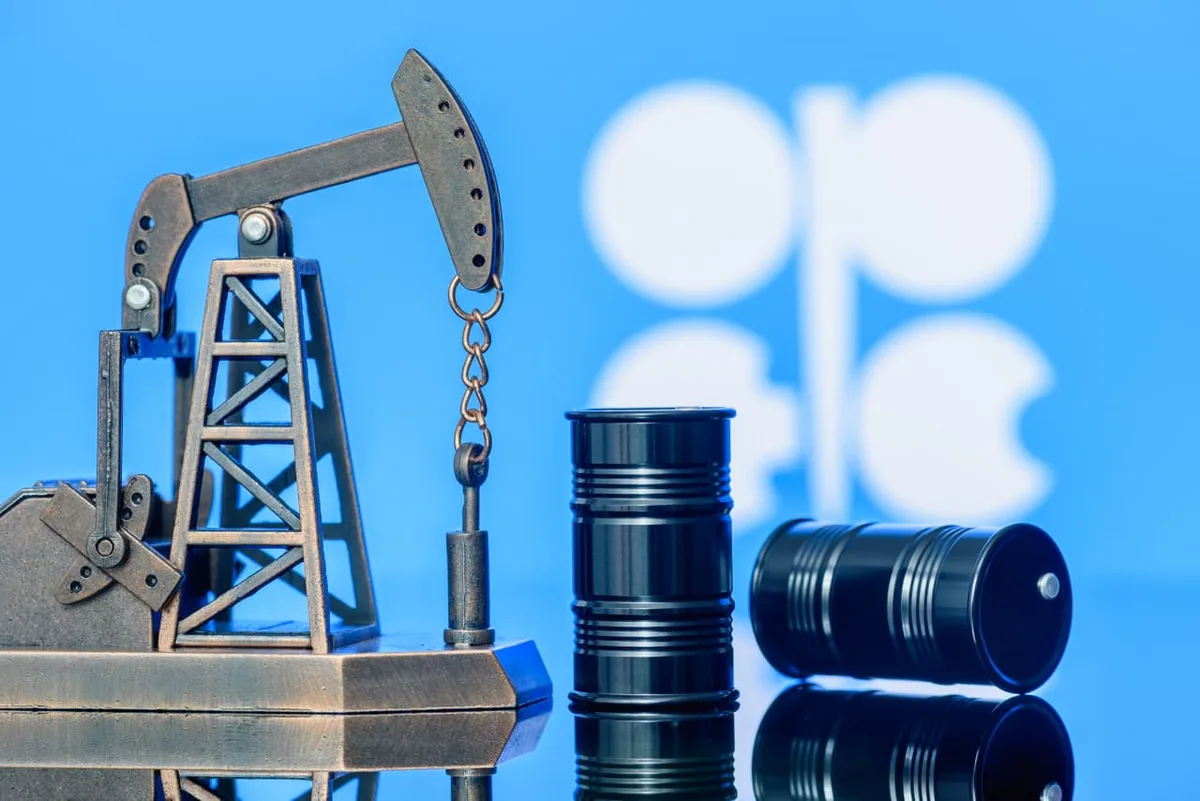
Iraq's suggestion that it could walk away from OPEC is sending fresh tremors through global energy markets already wrestling with supply discipline failures, potentially pushing crude oil prices below $50 a barrel as soon as 2026. The warning marks one of the most credible challenges to the cartel's authority in years, threatening to unravel the production agreements that have propped up prices during a period of sluggish global demand.
OPEC has long relied on member-nation compliance to maintain price floors, but defections — whether formal or through quiet overproduction — erode that leverage quickly. If Iraq, one of the cartel's largest producers, were to operate outside OPEC's quota framework, the resulting surge in supply could overwhelm a market already navigating weak consumption growth and rising output from non-OPEC producers such as the United States.
Read more Brent Crude Breaks $100 as Goldman Eyes $120 Next →
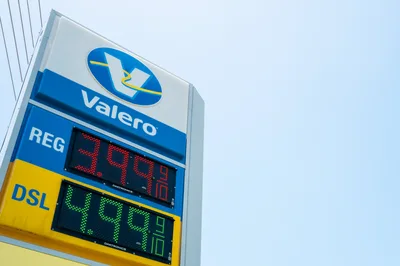
The prospect of sub-$50 oil carries enormous consequences far beyond the energy sector. Petrostates that have built national budgets around higher price assumptions would face severe fiscal strain, while energy companies operating high-cost assets such as deepwater rigs or shale plays could see margins collapse. Consumers, by contrast, could benefit from lower gasoline and heating fuel costs, providing an indirect economic stimulus in import-dependent nations.
2026 is shaping up to be a pivotal year for OPEC's credibility and cohesion. The Iraq situation adds to a broader pattern of centrifugal forces pulling at the organization, and analysts watching cartel dynamics warn that a world in which OPEC loses its role as price arbiter could mean structurally lower oil prices for an extended period — a scenario that would redraw the economics of the entire energy industry.
Continue reading at MarketWatch.com