IRS Identity Theft Victims Face Nearly Two-Year Resolution Delays
The National Taxpayer Advocate says identity theft victims wait nearly two years for IRS case resolution, calling the delays 'unconscionable.'
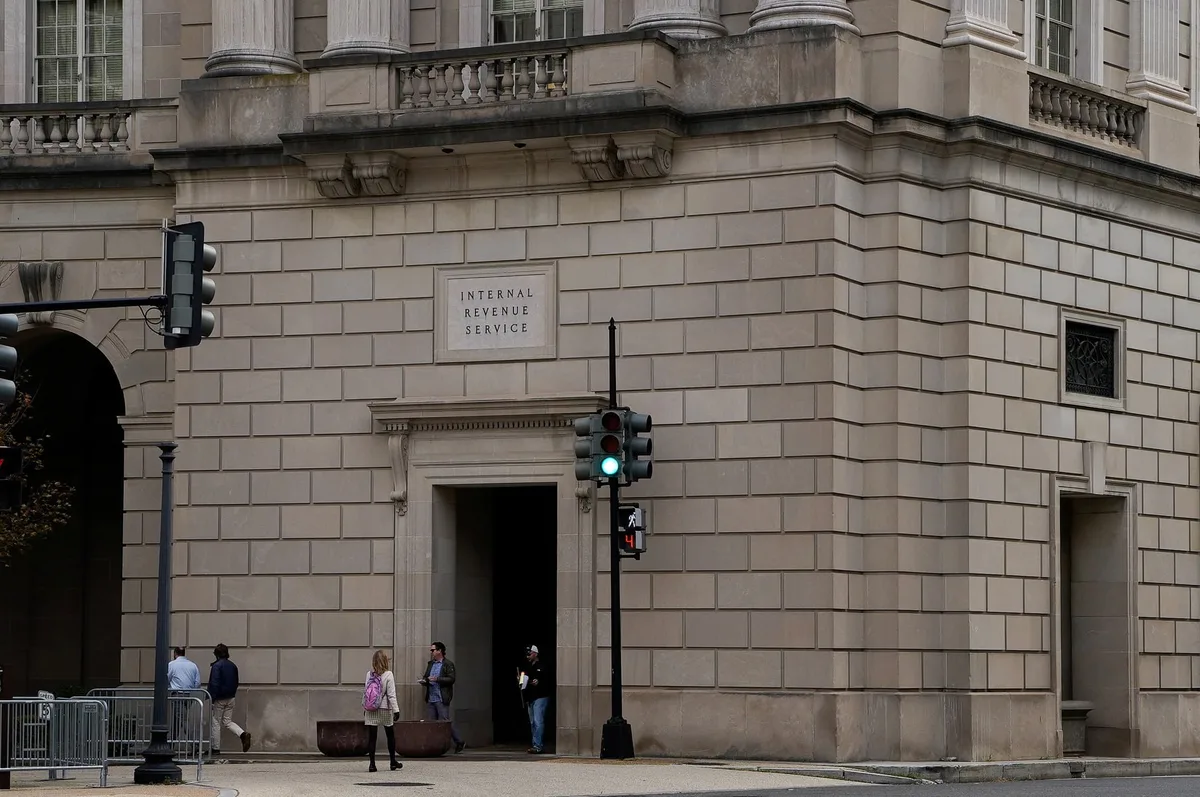
Identity theft victims seeking relief from the IRS are enduring wait times approaching two years to resolve their cases, according to a new report from the National Taxpayer Advocate — a finding the watchdog describes as "unconscionable" and a serious failure of taxpayer service.
The National Taxpayer Advocate, an independent office within the IRS charged with protecting taxpayer rights, issued the assessment as a stark indictment of how the agency handles one of the most damaging financial crimes affecting ordinary Americans. When identity thieves file fraudulent tax returns using stolen Social Security numbers, legitimate taxpayers can be left waiting for refunds and facing bureaucratic limbo while their cases work through an overburdened system.
Read more Conservation Easements: When the Tax Break Still Works in 2024 →
The nearly two-year backlog means victims are often left without access to refunds they are legally owed, compounding the financial and emotional toll already inflicted by the original crime. Tax identity theft can disrupt direct deposits, delay financial planning, and create cascading complications with other government programs tied to tax records.
The report's language — calling the delays "unconscionable" — signals that the Taxpayer Advocate views the situation not merely as an administrative challenge but as a fundamental breach of the IRS's obligations to the public. The agency has faced sustained criticism in recent years over staffing shortages and processing backlogs that ballooned during and after the COVID-19 pandemic, and identity theft resolution has remained one of the slowest-moving categories of taxpayer cases.
Continue reading at US Top News and Analysis.