IRS Lowers Penalty Threshold for Underpaid Taxes in 2024
The IRS has eased rules around underpayment penalties, offering relief to taxpayers who fell short on estimated tax payments.
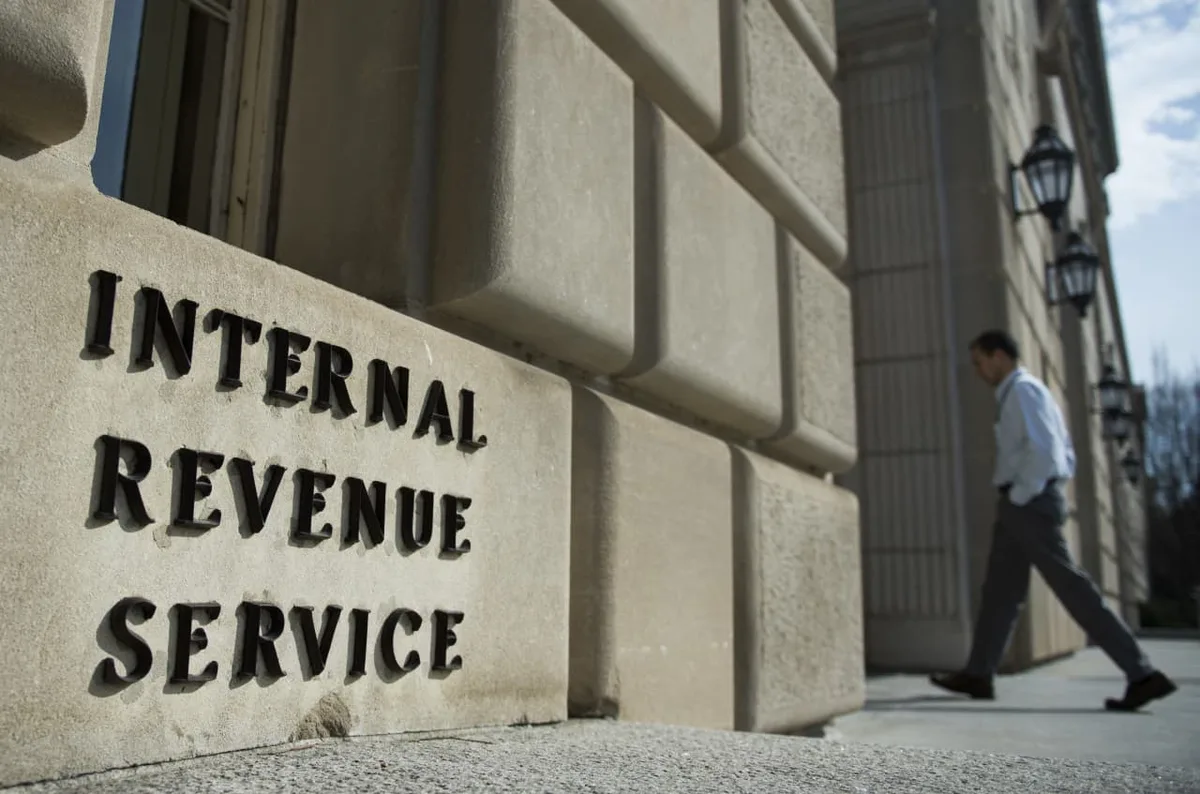
The Internal Revenue Service has quietly made it easier for Americans to avoid financial penalties when they underpay their taxes, a move that one advocate inside the agency is calling a "major taxpayer win." The policy shift offers a meaningful reprieve for filers who discovered they owe more than anticipated when they sat down to complete their returns this season.
Underpayment penalties kick in when taxpayers — particularly freelancers, gig workers, retirees, and investors with variable income — fail to pay enough tax throughout the year via withholding or estimated quarterly payments. These penalties can catch filers off guard, especially in years when income fluctuates sharply or when life events change a person's tax picture significantly.
Read more Conservation Easements: When the Tax Break Still Works in 2024 →
The IRS adjustment lowers the bar that taxpayers must clear to sidestep those penalties, effectively widening the window of relief available to millions of Americans who may not have perfectly calibrated their withholding or quarterly payments. The change reflects ongoing pressure on the agency to reduce compliance burdens on ordinary filers rather than penalizing honest miscalculations.
The acknowledgment from inside the IRS itself — framed explicitly as a win for taxpayers — is notable given the agency's historically cautious public posture. Advocates have long argued that underpayment penalties disproportionately affect people with complex or unpredictable income streams, and this shift suggests the IRS is listening. Taxpayers who believe they may have been caught by underpayment issues this filing season should review the updated guidance or consult a tax professional to determine whether the new threshold applies to their situation.
Continue reading at MarketWatch.com