Japanese Yen Hits 40-Year Low, Raising Intervention Fears
The yen sank to its weakest level against the dollar since 1986, putting markets on alert for a possible response from Tokyo.
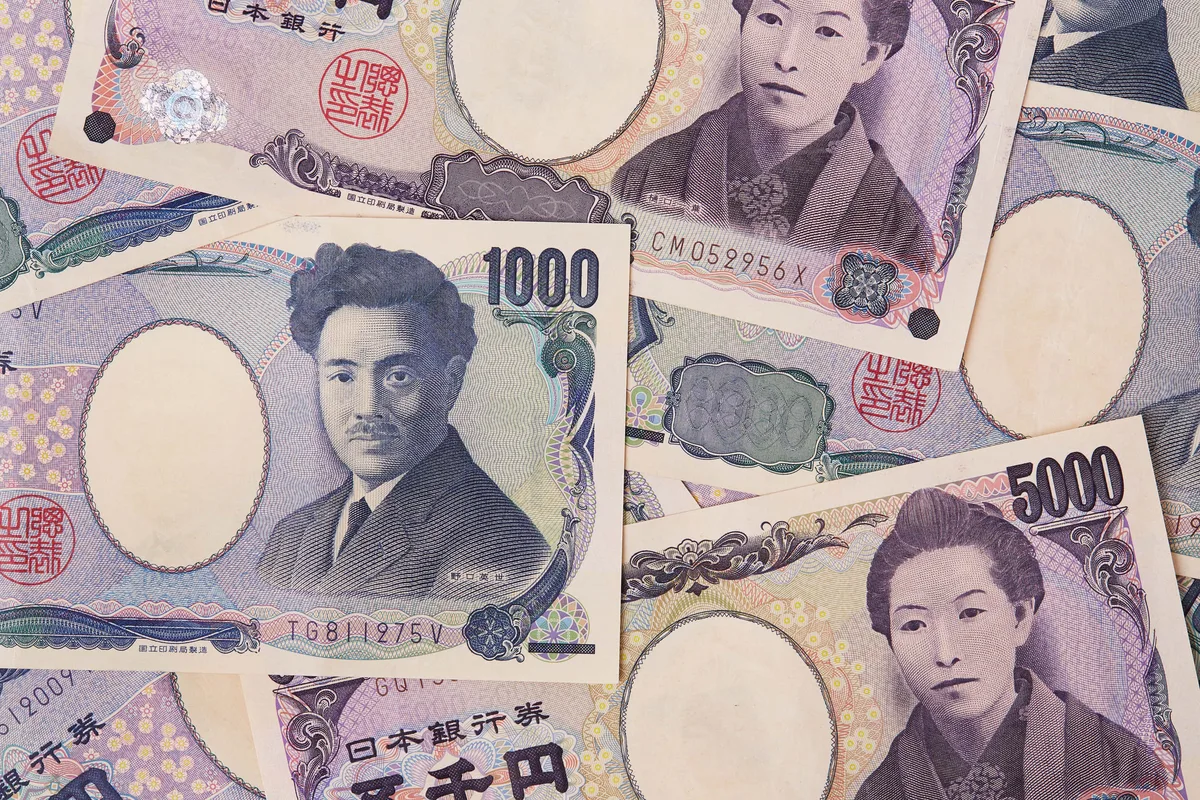
The Japanese yen tumbled to a 40-year low against the U.S. dollar on Tuesday, reaching its weakest point since 1986 and intensifying speculation that Japanese authorities could step in to prop up the battered currency. The dramatic slide has put global investors on high alert, with markets closely watching Tokyo for any sign of official action.
Currency intervention — where a government or central bank buys or sells its own currency to influence its value — remains a credible threat when the yen depreciates this sharply. Japan has a documented history of intervening in foreign exchange markets during periods of extreme volatility, and a move to a multi-decade low typically raises the urgency of that calculus for policymakers.
Read more Brent Crude Breaks $100 as Goldman Eyes $120 Next →
The yen's prolonged weakness reflects a persistent gap between U.S. and Japanese monetary policy. While the Federal Reserve has maintained elevated interest rates to combat inflation, the Bank of Japan has kept its benchmark rate near historic lows, making yen-denominated assets comparatively unattractive to global investors seeking yield — a dynamic that continues to weigh heavily on the currency.
For Japanese consumers and businesses, a weaker yen translates directly into higher import costs, particularly for energy and food, squeezing household budgets and corporate margins alike. Exporters, by contrast, can benefit from currency weakness, as their overseas revenues convert into more yen — a tension that complicates any simple policy response from officials in Tokyo.
With the yen now at levels not seen in four decades, analysts warn that the next few sessions will be critical in determining whether verbal warnings from Japanese officials escalate into direct market action. Continue reading at US Top News and Analysis.