Jim Cramer Warns Stock and Debt Issuance Threaten Bull Market
CNBC's Jim Cramer flags surging IPOs and debt deals as the next major risk to the ongoing bull market rally.
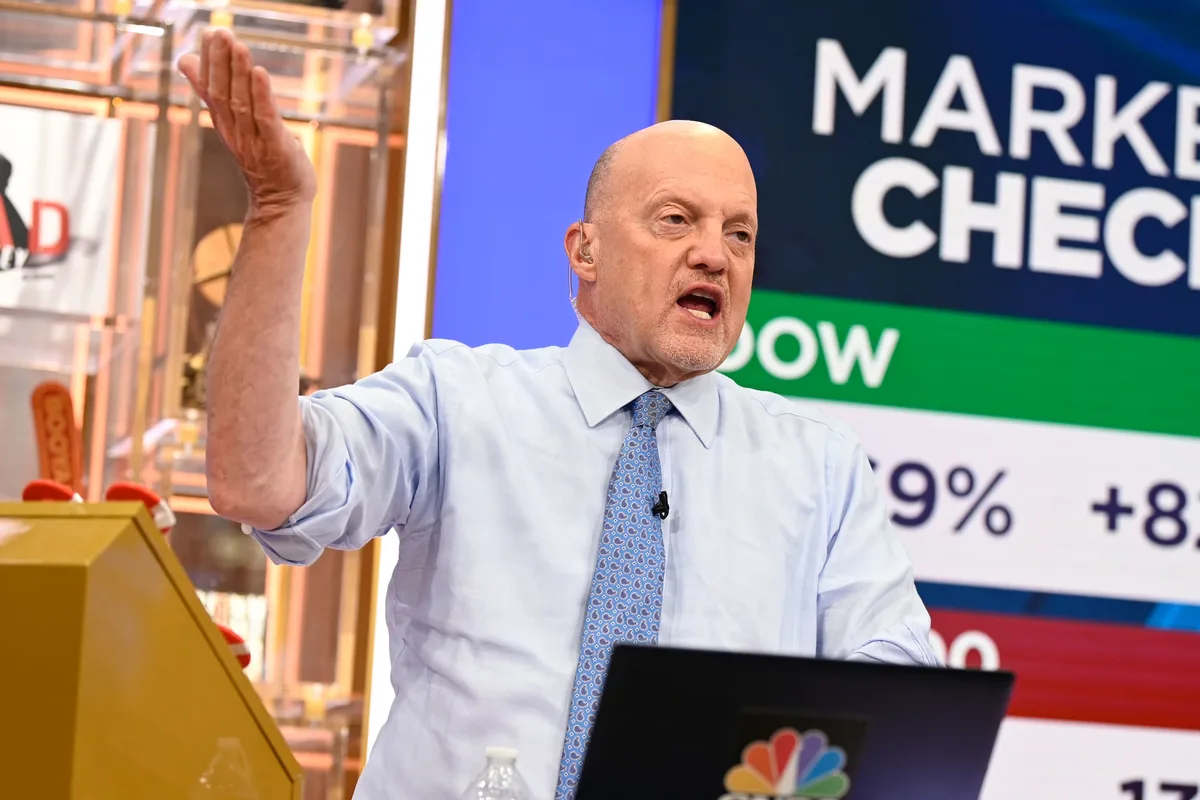
CNBC's Jim Cramer issued a pointed warning Thursday, arguing that a flood of new stock offerings and debt issuance — not geopolitical tensions with Iran — represents the most pressing threat to the current bull market. The television personality and former hedge fund manager said Wall Street's appetite for fresh capital raises is building to a level that could drain liquidity from existing equities and put sustained upward momentum at risk.
Cramer's concern centers on a classic supply-and-demand dynamic in markets: when companies rush to sell new shares and bonds in large volumes, investors must redirect cash away from stocks they already hold to fund those purchases. The resulting pressure on prices can slow or reverse a rally even when the underlying economic picture looks constructive. His comments arrive at a moment when dealmakers have been moving aggressively to take advantage of elevated valuations and relatively open credit markets.
Read more Brent Crude Breaks $100 as Goldman Eyes $120 Next →
The warning is notable because it shifts focus away from the geopolitical storylines — chiefly escalating tensions involving Iran — that have dominated financial headlines and investor anxiety in recent weeks. Cramer is effectively arguing that internal market mechanics pose a more immediate and underappreciated danger than external shock events, a perspective that contrasts with the conventional risk narrative currently circulating on trading desks.
For individual investors, the signal is a reminder that bull markets can face headwinds from structural forces that receive far less media attention than wars or central bank decisions. Monitoring the pace of IPO filings, secondary offerings, and high-yield bond deals could offer an early indicator of when that supply pressure becomes difficult for the market to absorb. Whether Cramer's read proves prescient will depend largely on whether institutional demand keeps pace with the deal calendar in the weeks ahead.
Continue reading at US Top News and Analysis.