Kalshi Traders Doubt Major Crypto Bill Will Pass in 2025
Prediction market traders on Kalshi see slim odds of the Clarity Act becoming law this year, despite White House pressure on Congress.
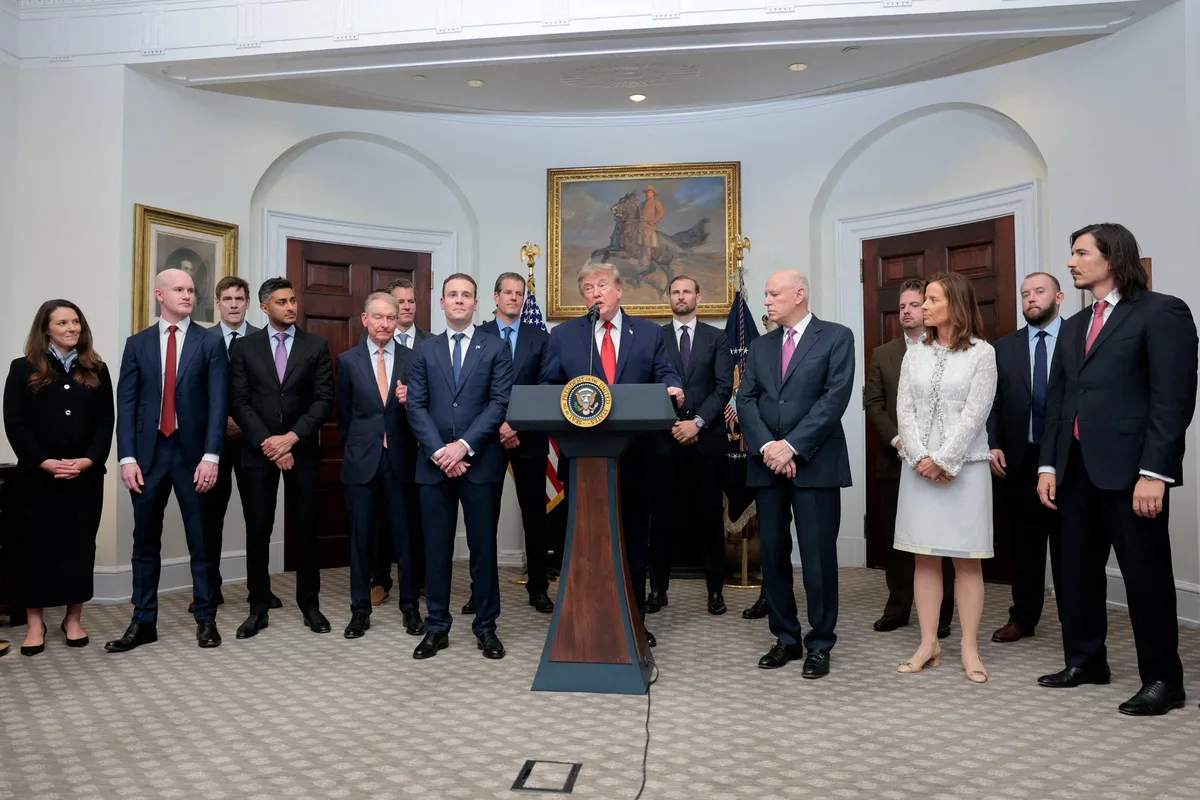
Prediction market traders on Kalshi are signaling deep skepticism that a landmark cryptocurrency regulation bill will clear Congress and be signed into law before the end of 2025, even as the White House actively lobbies lawmakers to act. The bill in question, known as the Clarity Act, has been championed by the Biden administration as a framework to bring order to the largely unregulated digital asset space.
The Clarity Act represents one of the most significant legislative efforts to define how cryptocurrencies are regulated in the United States, with proponents arguing that regulatory certainty would benefit both investors and the broader financial system. Despite that backing from the executive branch, Kalshi traders — whose real-money wagers on political and economic outcomes have gained credibility as forward-looking indicators — are pricing in a low probability that the bill crosses the finish line this calendar year.
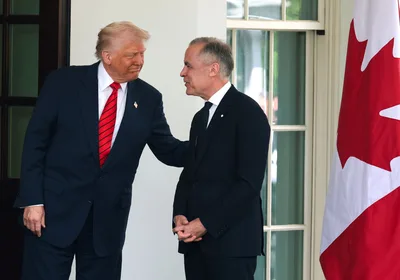
Read more Trump Says US-Canada Trade Deal Is Within Reach Before Tariff Deadline →
Prediction markets like Kalshi have increasingly become a barometer for gauging Washington's legislative momentum, as bettors with financial skin in the game weigh real-world political obstacles including congressional gridlock, competing legislative priorities, and industry lobbying. The low odds assigned to the Clarity Act reflect broader concerns about Congress's ability to move complex financial legislation quickly.
The disconnect between White House ambition and market expectations underscores a recurring tension in crypto policy: while federal officials have grown more vocal about establishing clear rules of the road for digital assets, translating that political will into enacted law has proven consistently difficult. Analysts note that even bills with bipartisan interest often stall in committee or lose momentum during busy legislative calendars.
Continue reading at US Top News and Analysis