Klarna Applies for US Bank Charter to Expand Beyond BNPL
Klarna is pursuing a US bank charter, joining a growing wave of fintech and crypto firms pushing into traditional banking.
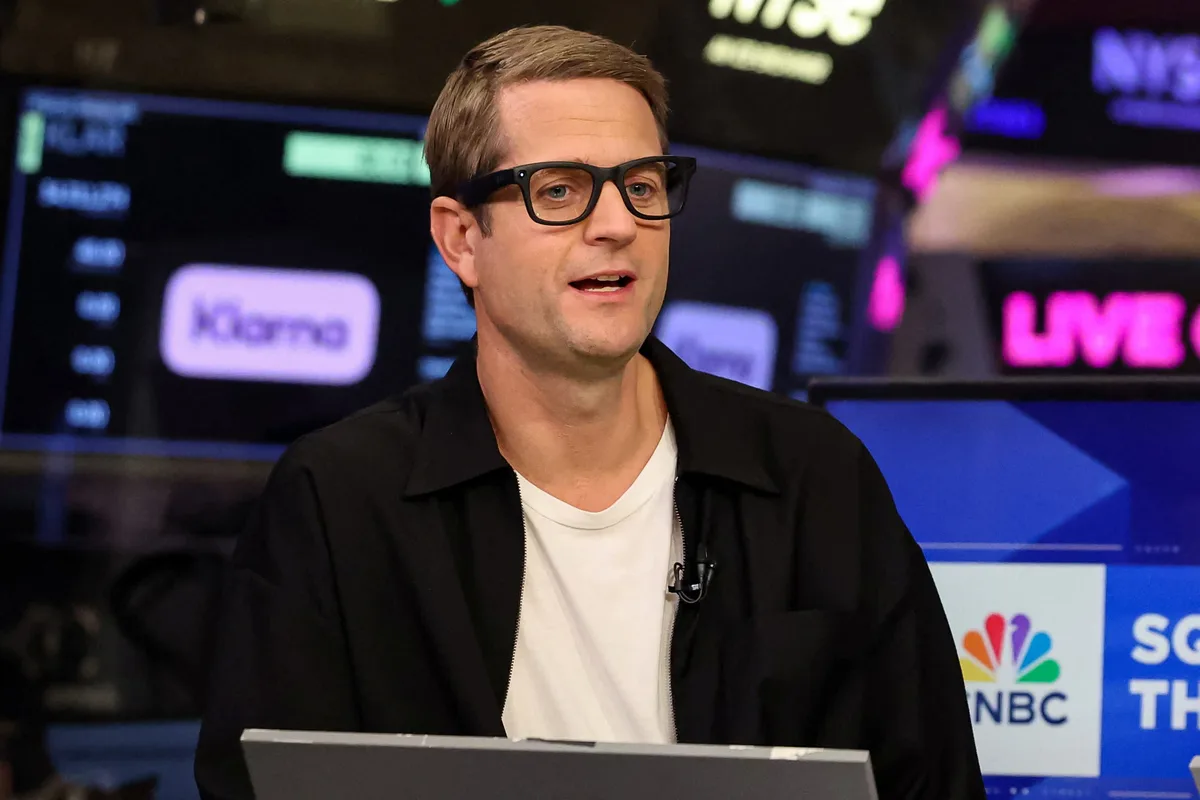
Klarna, the Swedish buy now, pay later giant, has filed for a US bank charter, marking a significant strategic pivot as the company looks to deepen its footprint in the American financial system ahead of a highly anticipated public offering. The move signals that Klarna is no longer content operating solely as a payments intermediary and wants the regulatory standing that comes with full banking status.
The application places Klarna alongside a broader cohort of fintech and cryptocurrency companies that have recently sought entry into the conventional banking sector. Firms across both industries have increasingly viewed bank charters as a way to access cheaper funding, accept deposits directly from consumers, and reduce reliance on third-party financial institutions — advantages that could substantially lower operating costs and widen margins.
Read more Novo Nordisk Sues Eli Lilly Over Allegedly Deceptive GLP-1 Ads →
For Klarna specifically, obtaining a bank charter in the US would represent a major expansion of its product capabilities in its largest growth market. A charter could allow the company to offer interest-bearing accounts or other deposit products, giving it tools to compete more directly with established consumer banks rather than simply partnering with them to underwrite its lending products.
The timing is notable. Klarna has been actively preparing for a US initial public offering, and adding a bank charter to its regulatory portfolio could bolster its valuation story by demonstrating a more durable, diversified business model to prospective investors. Regulators have in recent years shown a cautiously more open posture toward fintech charter applications, though approvals remain a lengthy and uncertain process.
Whether Klarna ultimately secures approval will depend on scrutiny from federal banking regulators, but the application alone underscores how the line between technology companies and traditional financial institutions continues to blur at an accelerating pace. Continue reading at US Top News and Analysis.