Micron Set to Rank Third in US Profitability Behind Nvidia and Google
Surging AI demand is driving Micron's profit margins to historic highs, positioning it just behind Nvidia and Google among all US companies.
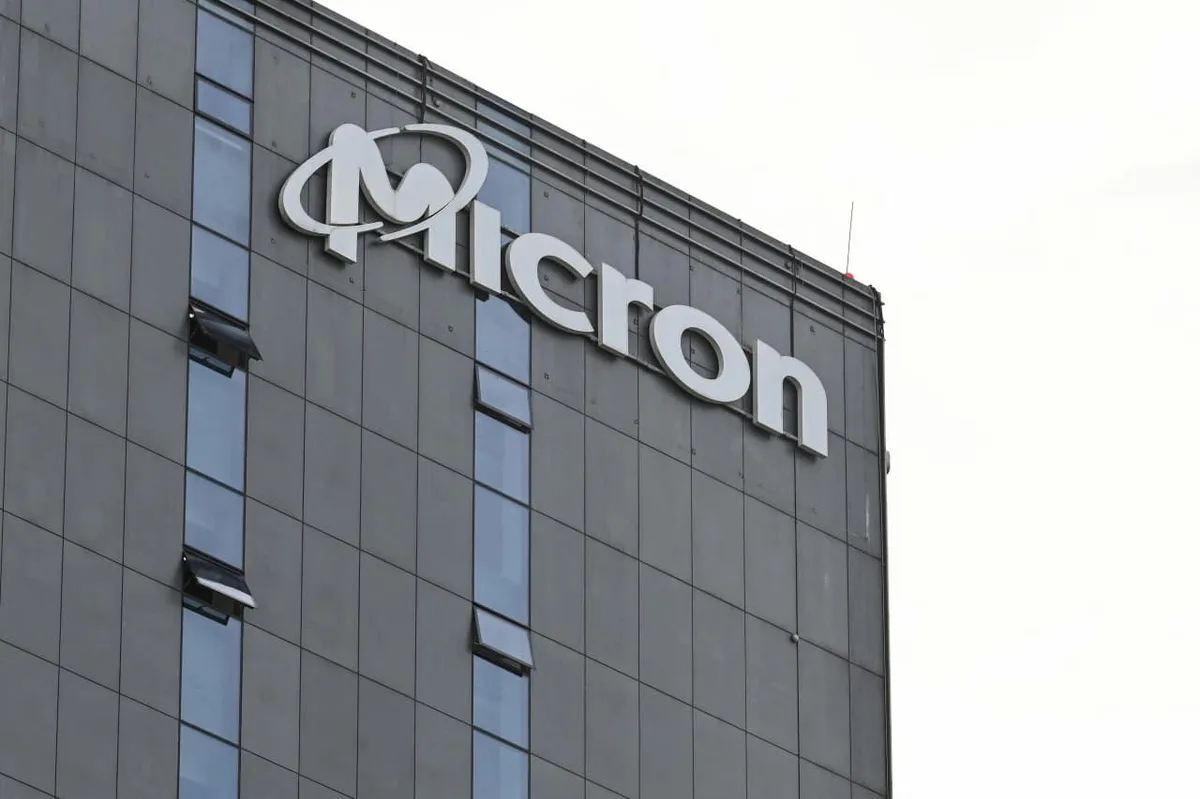
Micron Technology is on the verge of a financial milestone that would have seemed unthinkable just two years ago: the memory chipmaker is poised to become the third most profitable company in the United States, trailing only Nvidia and Alphabet's Google, according to a MarketWatch analysis of corporate earnings trajectories.
The driving force behind Micron's stunning reversal of fortune is artificial intelligence. Big Tech giants — the same companies spending billions to build out massive AI data centers — are willing to pay premium prices for high-bandwidth memory chips that make AI workloads possible. That insatiable appetite for specialized AI memory components has transformed Micron from a cyclical commodity player into a high-margin powerhouse almost overnight.
Read more Brent Crude Breaks $100 as Goldman Eyes $120 Next →
The turnaround is dramatic by any measure. Memory chip markets are historically brutal, swinging between prolonged gluts and sudden shortages that crush or inflate profits with little warning. But the AI infrastructure buildout appears to be sustaining demand at a level that insulates Micron from the worst of those boom-and-bust cycles, at least for now, giving Wall Street new confidence in the company's earnings durability.
Micron's ascent also underscores how the broader semiconductor industry is being reshaped by AI spending. Companies that can supply the specific memory and compute components required for large language models and AI inference are commanding pricing power that their predecessors in the chip industry rarely enjoyed. Micron's positioning in high-bandwidth memory puts it squarely at the center of that transformation.
Whether Micron can sustain this rarified level of profitability will depend heavily on how long Big Tech maintains its current pace of AI capital expenditure — and whether new competitors can erode the pricing premiums Micron now commands. Continue reading at MarketWatch.com