NATO Defense Spending Pledges Face Scrutiny at Trump-Era Summit
Allied leaders gather to prove higher defense budgets translate to real military power as Washington demands Europe carry more of the burden.
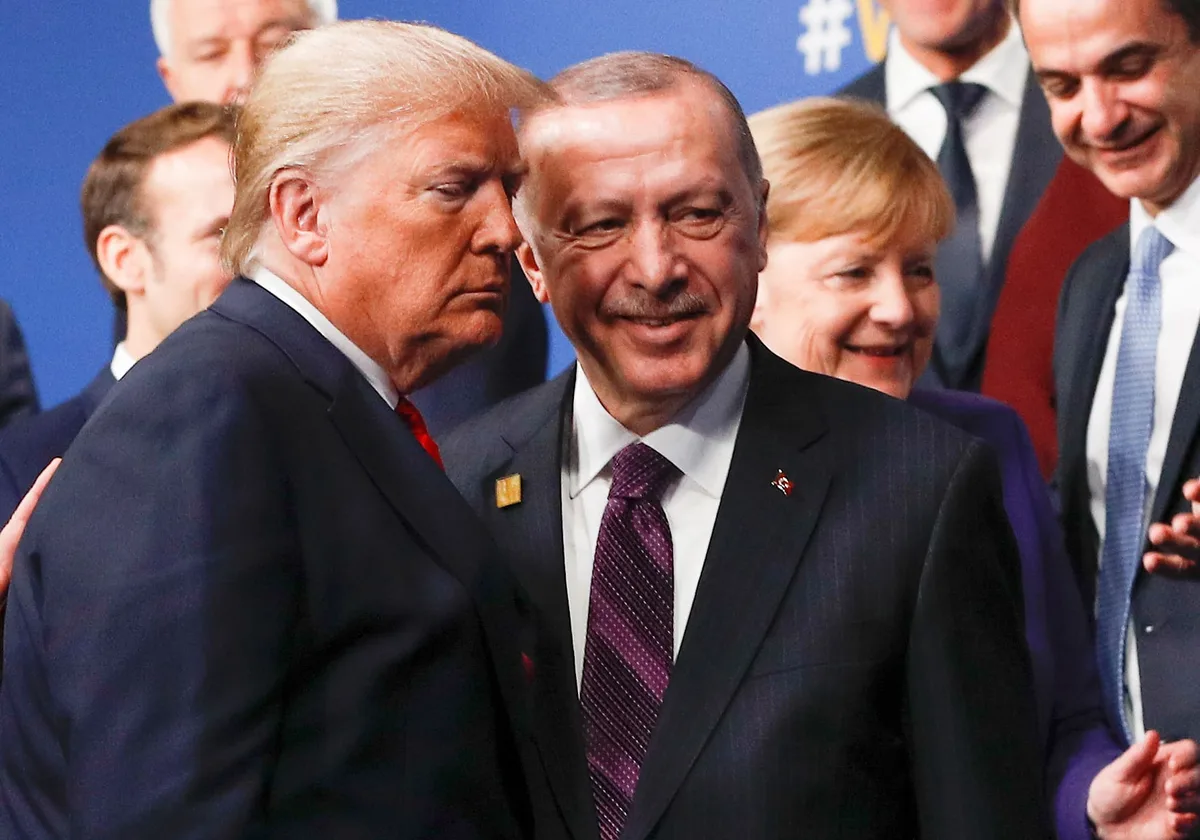
NATO allies are heading into a critical moment of reckoning, with member nations under mounting pressure to demonstrate that pledges of increased defense spending are converting into tangible military capability — not just bigger numbers on paper. The gathering marks what some analysts are calling a 'NATO 3.0' inflection point, one shaped heavily by Washington's insistence that European partners take greater ownership of their own security.
The Trump administration has made burden-sharing a defining demand of its transatlantic posture, pushing allies to move well beyond the alliance's longstanding 2% of GDP defense spending benchmark. For European capitals, the challenge is not simply writing larger checks but showing that those funds are being channeled into deployable forces, modern equipment, and credible deterrence structures that can operate with or without heavy American backing.
Read more Trump Targets 60 Trade Partners With New Sweeping Tariffs →
The stakes are particularly high because the gap between spending commitments and actual combat readiness has long been a fault line within the alliance. Critics have argued for years that some members hit spending targets by inflating personnel costs or legacy programs rather than investing in the cutting-edge capabilities NATO's eastern flank increasingly demands, especially in the shadow of the ongoing war in Ukraine.
Whether European allies can satisfy Washington's scrutiny will likely shape the tone of US engagement with NATO for the near term. A credible showing could stabilize the alliance's political cohesion; a failure to deliver substantive military output risks deepening transatlantic friction at a moment when unified deterrence carries historic weight.
Continue reading at US Top News and Analysis.