Nvidia CEO Jensen Huang Dismisses Smuggled-Chip Data Centers as Dead End
Jensen Huang says black market AI data centers built with smuggled Nvidia parts are a technological dead end, as Washington tightens export controls on China.
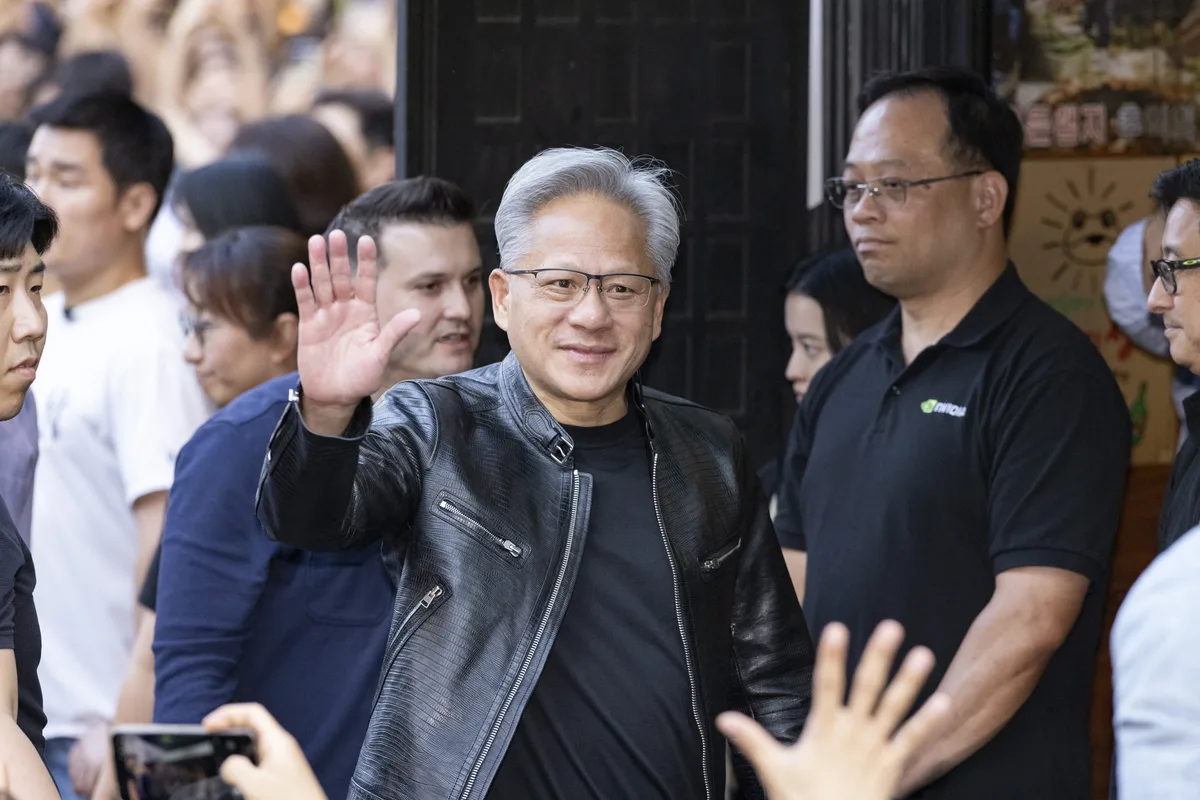
Nvidia CEO Jensen Huang is pushing back against concerns that black market data centers assembled from smuggled Nvidia chips pose a serious long-term threat, calling such operations a "dead end" in the global AI race. His remarks come as both Washington regulators and the Trump administration sharpen their focus on preventing advanced American AI technology from reaching China through unauthorized channels.
The warning from Huang signals Nvidia's awareness of a growing underground market in which smuggled chips are reportedly being used to cobble together AI computing infrastructure in China. Despite the ingenuity of such workarounds, Huang argues that piecemeal, illicit hardware setups cannot match the scale, efficiency, or software integration of legitimate, enterprise-grade data centers — leaving China's black market operators at a structural disadvantage.
Read more Trump Targets 60 Trade Partners With New Sweeping Tariffs →
The geopolitical backdrop is critical here. U.S. export controls have progressively restricted the sale of Nvidia's highest-performance chips, including the H100 and successor products, to Chinese buyers. The Biden administration put sweeping chip export rules in place, and the Trump administration has signaled it intends to maintain and potentially expand those restrictions, reflecting bipartisan consensus that advanced AI hardware is a matter of national security.
Analysts note that while smuggled chips may offer short-term workarounds, the inability to access official firmware updates, technical support, and integrated software ecosystems means such systems quickly fall behind the cutting edge. Huang's framing effectively argues that enforcement gaps, while real, are self-correcting from a competitive standpoint — illicit networks simply cannot keep pace with the rapid generational leaps Nvidia is making in legitimate markets.
The debate underscores how central semiconductor access has become to the broader U.S.-China technology rivalry, with Nvidia caught between its commercial ambitions in one of the world's largest markets and its obligations to comply with an increasingly assertive U.S. regulatory regime. Continue reading at US Top News and Analysis.