Oil Climbs, Stock Futures Fall After U.S.-Iran Strait Clashes
Weekend strikes between U.S. and Iranian forces near the Strait of Hormuz rattled markets, pushing oil higher and stock futures lower.
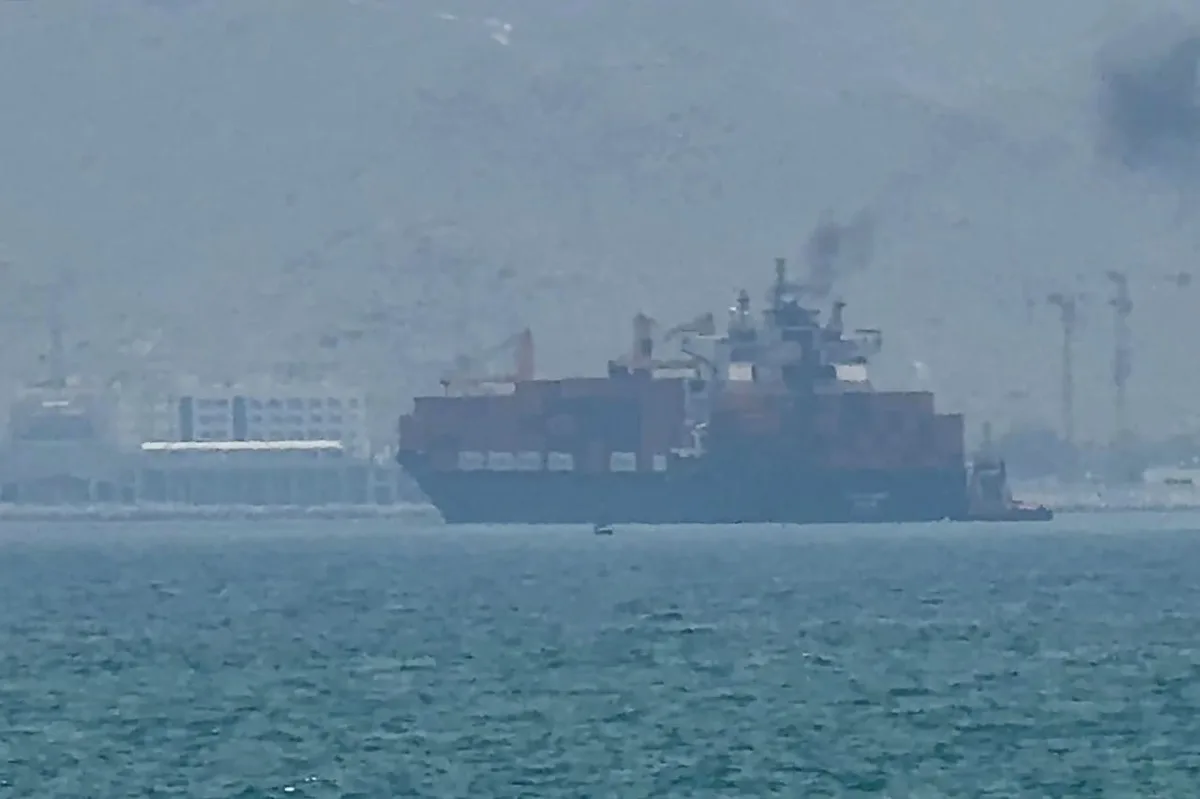
Oil prices surged and U.S. stock-index futures retreated Sunday as escalating military exchanges between the United States and Iran near the Strait of Hormuz rattled global markets at the start of the trading week. The tit-for-tat strikes over the weekend added fresh geopolitical tension to an already uneasy investment climate, prompting traders to reprice risk across energy and equity markets simultaneously.
The Strait of Hormuz is one of the world's most strategically critical chokepoints for crude oil shipments, and any threat to navigation there historically triggers an immediate flight into oil and out of riskier assets like equities. Sunday's market moves reflected that well-established pattern, with futures on major U.S. stock indexes moving lower even before Monday's opening bell.
Read more Brent Crude Breaks $100 as Goldman Eyes $120 Next →
The latest flare-up marks a continuation of an increasingly volatile back-and-forth between Washington and Tehran, with each side responding to the other's military actions in the region. Analysts warn that sustained conflict near the strait could disrupt global energy supplies and sustain upward pressure on crude prices, complicating the Federal Reserve's inflation-management efforts at a particularly sensitive moment for the U.S. economy.
Investors will be watching closely Monday morning for further developments out of the Middle East, as well as any official statements from U.S. defense or diplomatic officials that could signal whether the situation is moving toward de-escalation or deeper confrontation. Energy stocks may outperform broader indexes if oil prices hold their gains through the session.
Continue reading at MarketWatch.com