Oil Prices Drop Over 1% as Middle East Tensions Cool in Q2
Crude oil slid more than 1% Wednesday after U.S.-Iran talks wrapped up, capping Brent's worst quarter since 2020.
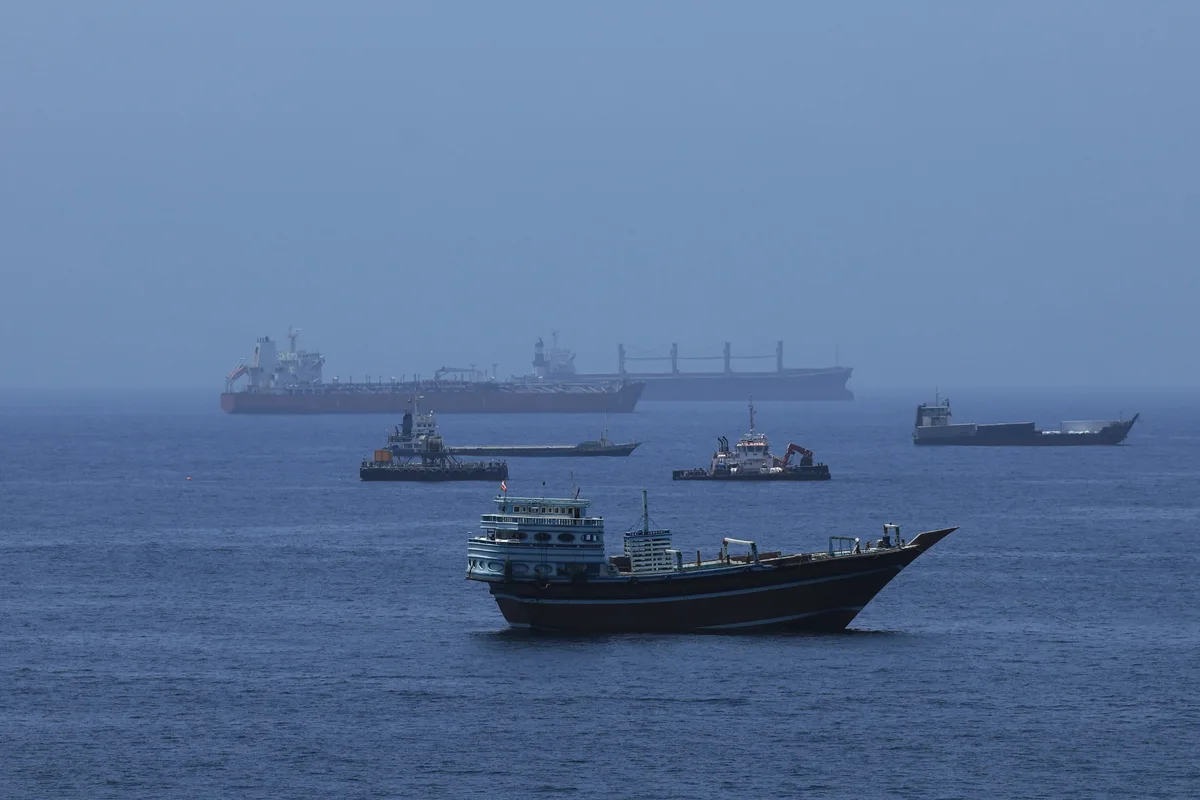
Oil prices tumbled more than 1% on Wednesday as easing tensions between the United States and Iran sent traders fleeing from the risk premium baked into crude markets, capping what analysts are calling Brent's worst quarterly performance since 2020. The selloff came directly on the heels of concluded negotiations between Washington and Tehran, signaling that diplomatic progress — however fragile — can rapidly deflate the geopolitical fear that often props up energy prices.
Brent crude, the global benchmark, bore the brunt of the quarter's losses, a stark reminder of how heavily Middle East conflict risk had inflated prices in prior months. When that premium evaporates, markets can reprice quickly and brutally, leaving traders who had positioned for sustained tension caught on the wrong side of the move.
Read more Brent Crude Breaks $100 as Goldman Eyes $120 Next →
The broader implication for energy markets is significant. A sustained diplomatic thaw between the U.S. and Iran could eventually mean more Iranian crude supply entering global markets, adding further downward pressure on prices at a time when demand growth outlooks remain uncertain. Analysts will be watching whether this quarter's decline marks a structural shift or simply a brief diplomatic lull before tensions resurface.
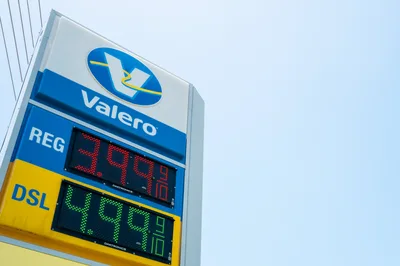
For American consumers and businesses, lower oil prices can translate into relief at the gas pump and reduced input costs across industries — but the durability of those gains hinges entirely on whether the diplomatic momentum holds. Energy traders are expected to remain on high alert for any breakdown in talks that could send prices sharply in the opposite direction.
Continue reading at US Top News and Analysis.