Oil Tanker Traffic Surges in Strait of Hormuz After US-Iran Deal
A new US-Iran agreement has reopened the critical Strait of Hormuz to oil tankers, sparking questions about future governance of the vital sea lane.
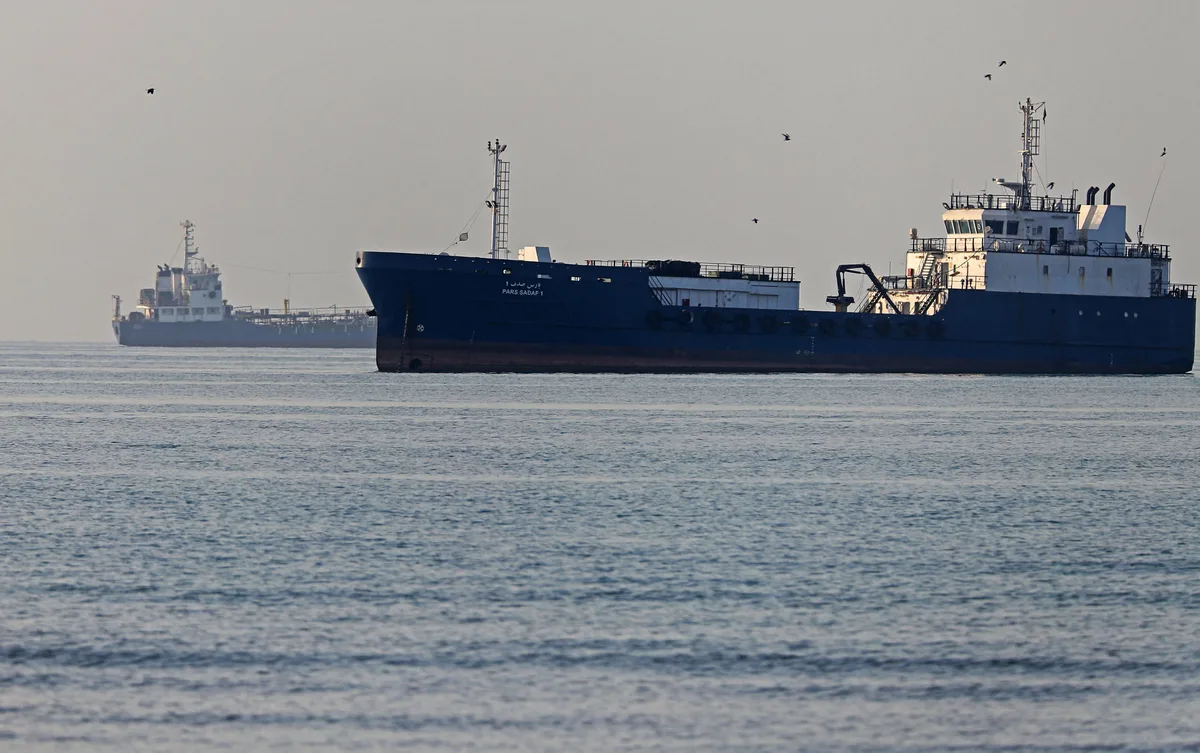
Oil tanker traffic through the Strait of Hormuz surged after the United States and Iran implemented a deal to reopen the strategically critical waterway, raising immediate questions about who will control one of the world's most vital energy corridors once the current arrangement expires.
The Strait of Hormuz serves as the primary passage for a substantial share of global oil shipments, making any disruption to its accessibility a major concern for energy markets and importing nations worldwide. The agreement between Washington and Tehran represents a significant diplomatic development, temporarily easing tensions that have long threatened the free flow of crude through the narrow chokepoint.
Read more Cathie Wood Sells Nearly $60 Million in Growth Stocks →
While the deal has delivered a short-term boost in tanker activity, analysts and policymakers are already focused on what comes next. The toll-free period written into the arrangement is finite, and the terms governing the strait once that window closes remain unsettled — a gap that could inject fresh uncertainty into global oil supply chains.
The broader geopolitical stakes are considerable. The Strait of Hormuz has historically been a flashpoint between Iran and Western powers, with Tehran periodically threatening to close the passage in response to sanctions or military pressure. Any ambiguity in the post-deal governance framework could reignite those tensions and keep energy markets on edge.
Continue reading at US Top News and Analysis