Oman's Hormuz Fee Talks Rattle Oil Markets With Uncertainty
Oman is deploying strategic ambiguity in negotiations over potential Strait of Hormuz fees, alarming oil markets and raising serious legal questions.
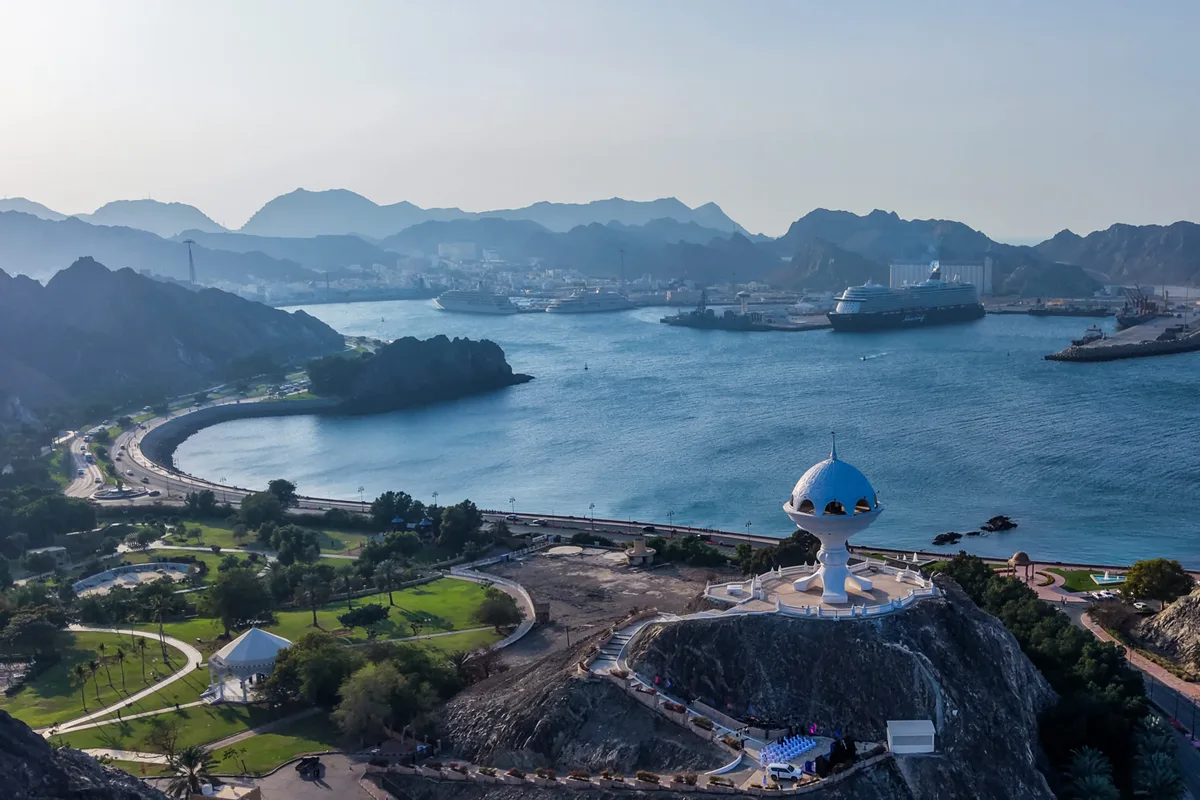
Oman is quietly maneuvering at the center of a high-stakes diplomatic standoff over whether transit fees could be levied on vessels passing through the Strait of Hormuz, one of the world's most critical oil chokepoints, creating what analysts are calling a dangerous blind spot for global energy markets.
The sultanate's approach relies heavily on strategic ambiguity — deliberately keeping its position unclear to preserve negotiating leverage — a tactic that may serve Oman's diplomatic interests in the short term but leaves commodity traders and shipping operators with little certainty about the rules governing one of the busiest maritime corridors on the planet.
Read more Brent Crude Breaks $100 as Goldman Eyes $120 Next →
The prospect of Hormuz transit fees carries significant legal weight, as international maritime law generally guarantees the right of innocent passage through straits used for international navigation. Any attempt to impose fees would likely face immediate challenges under the UN Convention on the Law of the Sea, complicating Oman's balancing act between regional relationships and global treaty obligations.
For oil markets, the uncertainty compounds existing volatility. The Strait of Hormuz facilitates the passage of roughly a fifth of the world's traded oil, meaning even the perception of disruption or added cost can ripple through futures prices and supply chain planning. Traders have struggled to price in a risk that remains deliberately opaque.
Oman has long positioned itself as a neutral diplomatic broker in a volatile region, maintaining ties with Iran, Gulf neighbors, and Western powers simultaneously. Whether that neutrality can survive the pressure of a concrete policy decision on Hormuz fees — or whether strategic ambiguity ultimately gives way to a clearer stance — remains the central question that markets and governments are watching closely. Continue reading at US Top News and Analysis.