OPEC Chief Rejects IEA Oil Glut Warning as Hormuz Strait Reopens
OPEC's secretary-general pushed back on IEA predictions of a supply glut, even as the critical Strait of Hormuz returned to operation.
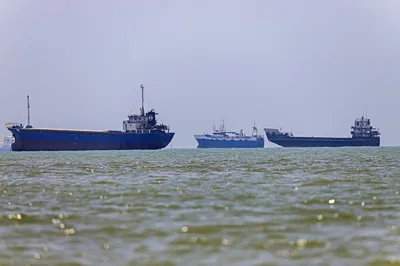
The Strait of Hormuz, one of the world's most strategically vital oil shipping chokepoints, reopened Wednesday following a period of conflict-driven closure, setting off an immediate debate between two of the energy sector's most powerful voices over what comes next for global oil supply.
The International Energy Agency warned Wednesday that a durable end to the underlying conflict could unleash a significant surge in crude supply volumes, creating a major oil overhang as soon as next year. That kind of excess supply would typically weigh heavily on prices and squeeze producer revenues across the board.
Read more Trump's Iran Deal Sends a Strong Buy Signal for Stocks →
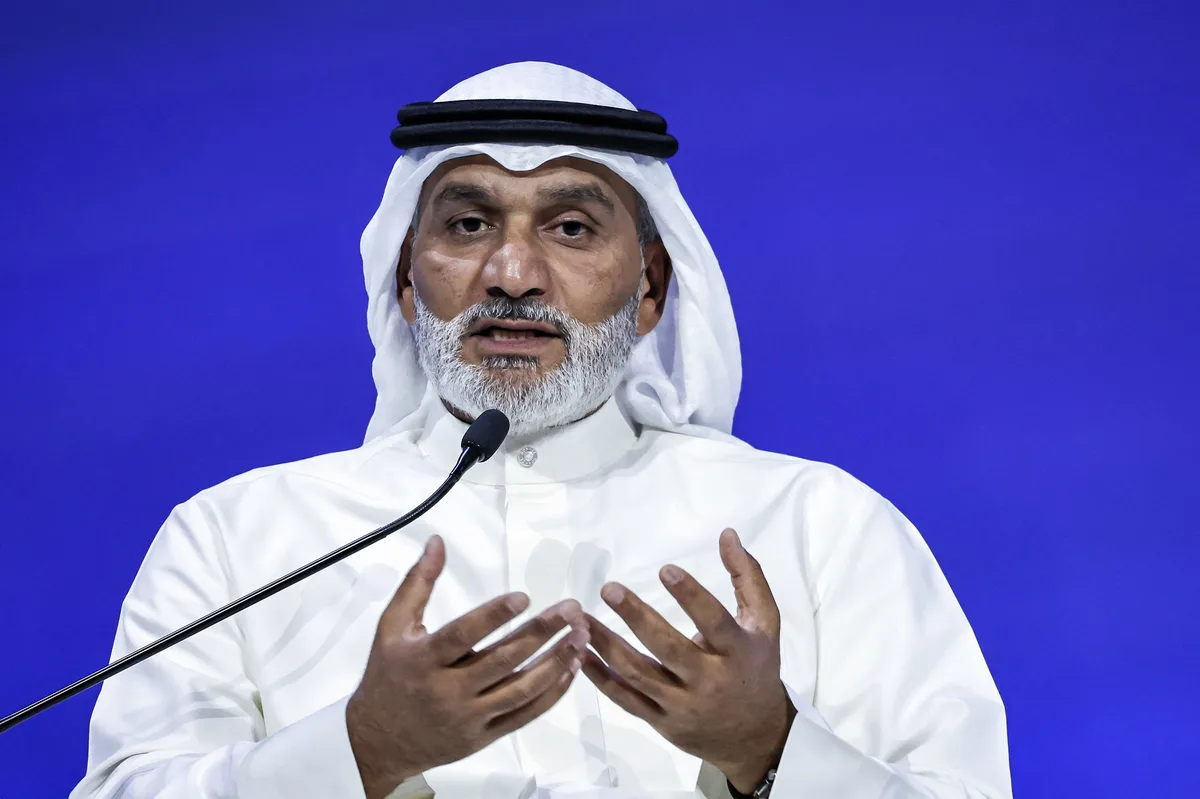
OPEC's secretary-general moved swiftly to dismiss the IEA's projection, pushing back on the agency's characterization of the market outlook. The rebuke reflects the longstanding tension between the producer group and the Paris-based watchdog, whose forecasts often diverge sharply on questions of future demand and supply balances.
The Strait of Hormuz carries an estimated one-fifth of the world's oil supply, making its operational status a critical variable for global energy markets. Any prolonged disruption there tends to send immediate shockwaves through crude benchmarks, while its reopening can just as quickly shift trader sentiment toward expectations of looser supply conditions.
The competing narratives — one warning of oversupply, the other downplaying that risk — leave markets navigating significant uncertainty heading into the second half of the year. Analysts will be watching whether OPEC+ responds with additional output management measures to counter the bearish pressure the IEA's forecast implies. Continue reading at US Top News and Analysis