Putin Admits Ukraine Strikes Are Straining Russia's Fuel Supply
Putin publicly acknowledged Ukraine's deep-strike campaign has damaged Russian fuel production, the first such detailed admission from the Kremlin.
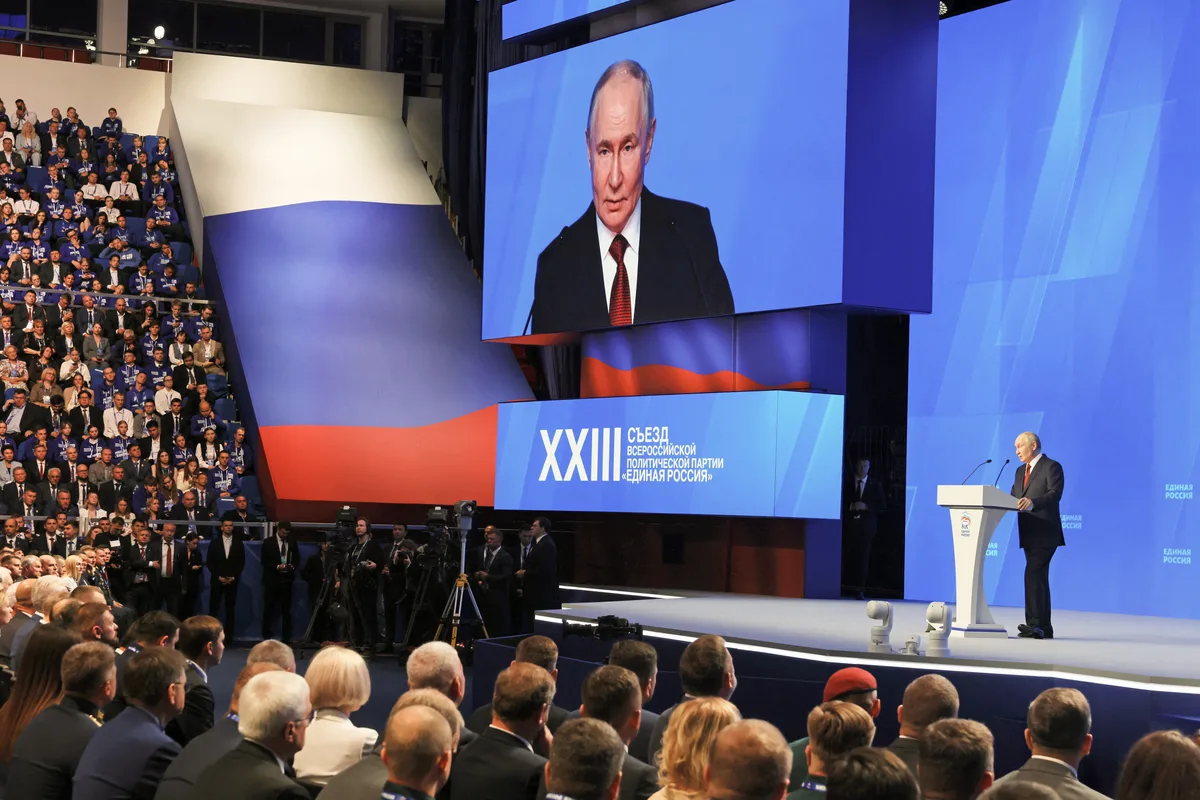
Russian President Vladimir Putin publicly admitted for the first time that Ukraine's deep-strike missile and drone campaign has significantly disrupted Russia's domestic fuel production, signaling a notable crack in the Kremlin's carefully managed wartime narrative. The acknowledgment marks a rare moment of transparency from a leader who has consistently downplayed the military and economic costs of the war in Ukraine.
Putin's comments carry strategic weight precisely because they are so unusual. By detailing the extent to which Ukrainian strikes have hampered Russian energy infrastructure, the Russian president effectively validated a core element of Kyiv's long-range military strategy — hitting the industrial and logistical backbone that sustains Moscow's war machine rather than engaging solely on front-line positions.
Read more Trump Targets 60 Trade Partners With New Sweeping Tariffs →
The admission points to growing pressure on Russia's energy sector, which serves both as a critical revenue source funding the war effort and as a domestic supply chain feeding military operations. Damage to fuel production facilities directly threatens Russia's ability to sustain armored and mechanized operations at scale, raising questions about the durability of Russian offensive capacity over the medium term.
Analysts will note that an on-the-record acknowledgment from Putin himself — rather than a lower-level official — suggests the strain may have reached a threshold difficult to conceal from the Russian public or from Moscow's international partners. The political calculus of such an admission, however carefully worded, reflects a recognition that internal fuel shortages carry real consequences at home as well as on the battlefield.
Continue reading at US Top News and Analysis.