S&P 500, Nasdaq, Dow Futures Rise After US-Iran Attack Halt
U.S. stock index futures climbed Monday after a ceasefire halted hostilities between the U.S. and Iran, easing geopolitical pressure on markets.
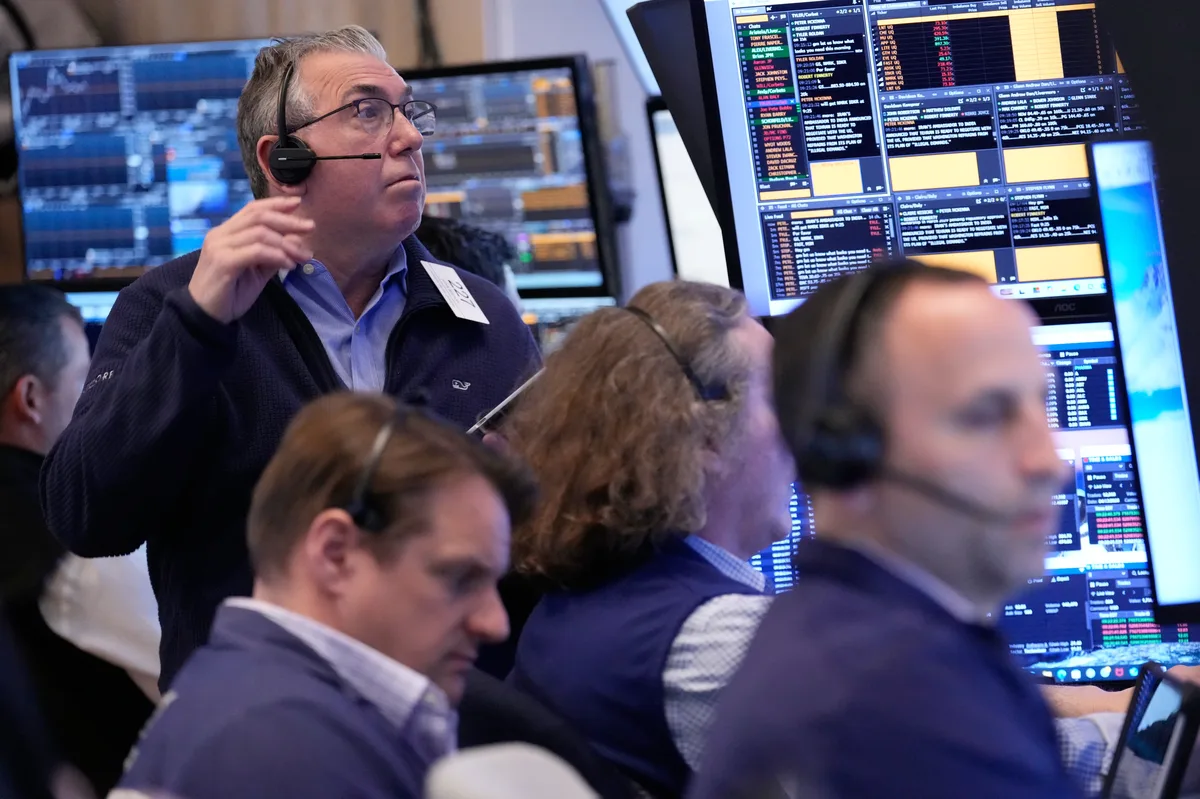
U.S. equity futures rose sharply Monday morning after American and Iranian forces stood down from a exchange of military strikes, offering Wall Street relief from one of the most acute geopolitical flashpoints in recent months. Futures tied to the S&P 500, Nasdaq, and Dow Jones Industrial Average all moved higher as traders reassessed risk in the wake of the announced halt to hostilities.
The ceasefire signal injected a measure of calm into markets that had been bracing for escalation, with investors closely monitoring any development that could disrupt global energy supplies or broader economic stability. Geopolitical shocks tied to Middle East conflict have historically triggered sharp short-term volatility in equities and commodities, particularly oil.
Read more Brent Crude Breaks $100 as Goldman Eyes $120 Next →
While the immediate market reaction skewed positive, analysts caution that a single session's futures movement does not confirm a sustained rally. The durability of any ceasefire arrangement, along with its implications for crude oil prices and regional trade routes, will likely dictate how equities perform in the sessions ahead.
Beyond the geopolitical dimension, investors continue to weigh a crowded domestic macro calendar that includes Federal Reserve commentary, corporate earnings updates, and ongoing uncertainty around U.S. trade policy. Any renewed flare-up in tensions could quickly reverse the optimism reflected in early futures trading.
Continue reading at Yahoo Finance.