Saudi Arabia Ramps Up Oil Exports Through Strait of Hormuz
Riyadh is routing more crude through the Strait of Hormuz after its East-West pipeline went offline, raising questions about supply stability.
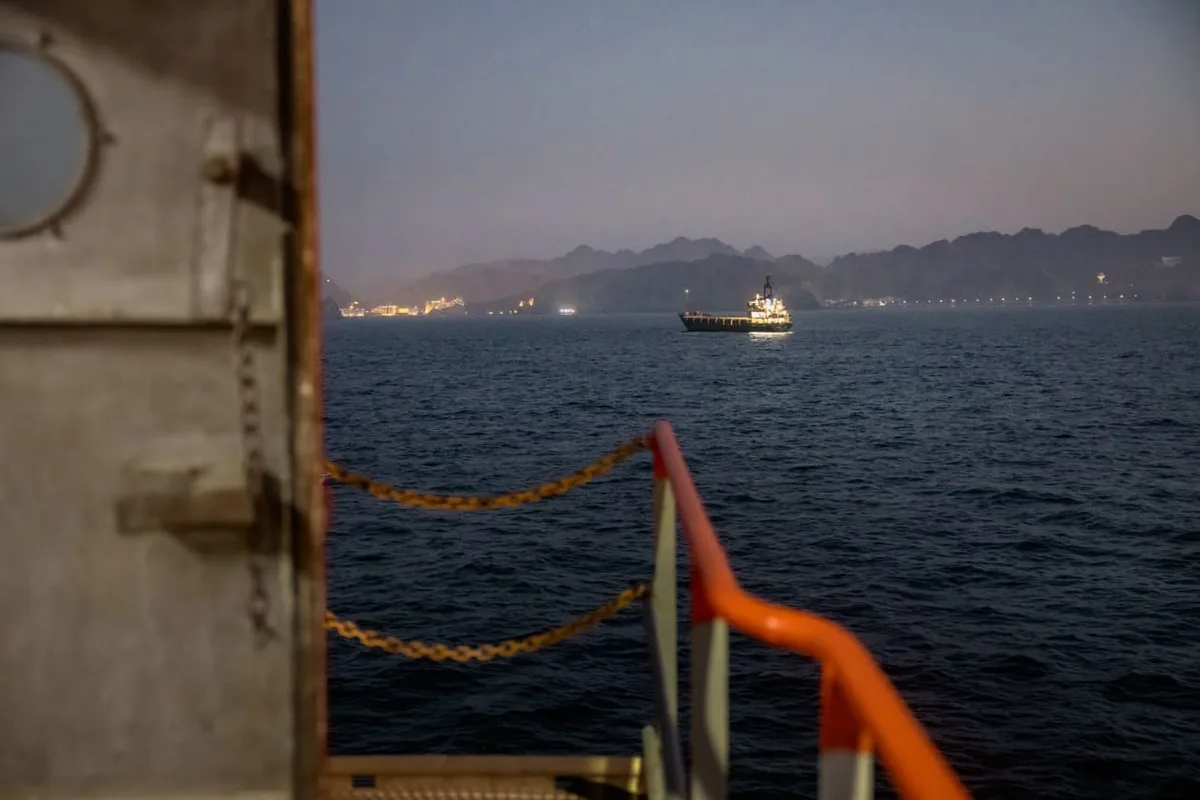
Saudi Arabia is pushing more of its oil exports through the Strait of Hormuz, the narrow Persian Gulf chokepoint that handles a significant share of the world's seaborne crude, after the kingdom's East-West pipeline was taken offline, according to MarketWatch. The shift marks a notable change in how Riyadh is moving its energy exports to global markets.
The East-West pipeline had long served as a vital alternative route for Saudi crude, allowing the kingdom to bypass the Strait of Hormuz entirely and ship oil directly to the Red Sea for export. With that option now unavailable, the Strait has become the primary — and essentially only — major corridor through which Saudi barrels are flowing outward.
Read more Investing Through AI Uncertainty: Filtering Signal From Noise →
The strategic importance of this development cannot be overstated. The Strait of Hormuz is one of the most geopolitically sensitive shipping lanes on the planet, with any disruption there capable of sending shockwaves through global energy markets almost instantly. Saudi Arabia's increased reliance on the waterway concentrates more of its export risk in a single, vulnerable passage.
Market observers will be watching closely to see whether this is a temporary logistical adjustment or a longer-term realignment of Saudi export infrastructure. The durability of the shift depends largely on when — or whether — the East-West pipeline returns to operation, and how geopolitical tensions in the broader Gulf region evolve in the meantime.
Continue reading at MarketWatch.com