Senate Blocks Crypto Clarity Act in Key Floor Vote
The U.S. Senate voted down the Crypto Clarity Act, dealing a significant blow to efforts to establish a federal digital asset framework.
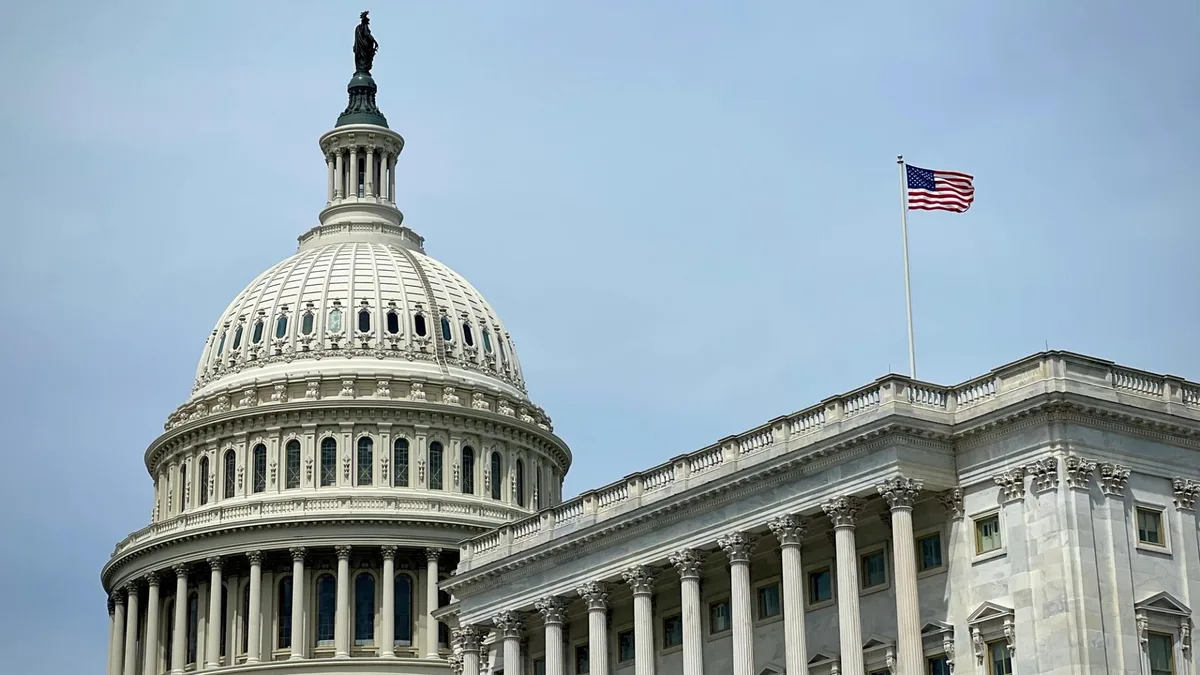
The U.S. Senate rejected the Crypto Clarity Act in a floor vote, stalling one of the most closely watched legislative efforts to bring regulatory certainty to the American cryptocurrency industry. The bill's failure marks a significant setback for crypto advocates who had lobbied aggressively for clearer federal guidelines governing digital assets.
The legislation had been positioned as a landmark attempt to define jurisdictional boundaries between the Securities and Exchange Commission and the Commodity Futures Trading Commission over crypto markets — a turf battle that has long complicated compliance for digital asset firms operating in the United States.
Read more US Confirms It Has Weapons Deployed in Orbit for First Time →
The vote underscores deepening divisions in Congress over how — and whether — to regulate an industry that has grown from a niche technology experiment into a multitrillion-dollar global market. Opponents of the bill raised concerns ranging from investor protection gaps to the potential for regulatory arbitrage that could benefit bad actors at the expense of retail participants.
With the Crypto Clarity Act now sidelined, the path forward for comprehensive U.S. crypto legislation remains uncertain. Industry stakeholders and lobbyists are expected to regroup and assess whether a revised bill or an alternative regulatory vehicle could gain traction in either chamber before the current congressional session concludes.
Continue reading at CoinDesk.