Single-Stock ETFs Push Leverage Limits in Evolving ETF Market
The ETF market has moved far beyond low-cost index funds. Single-stock leveraged products, including one tied to SK Hynix, are raising risk alarms.
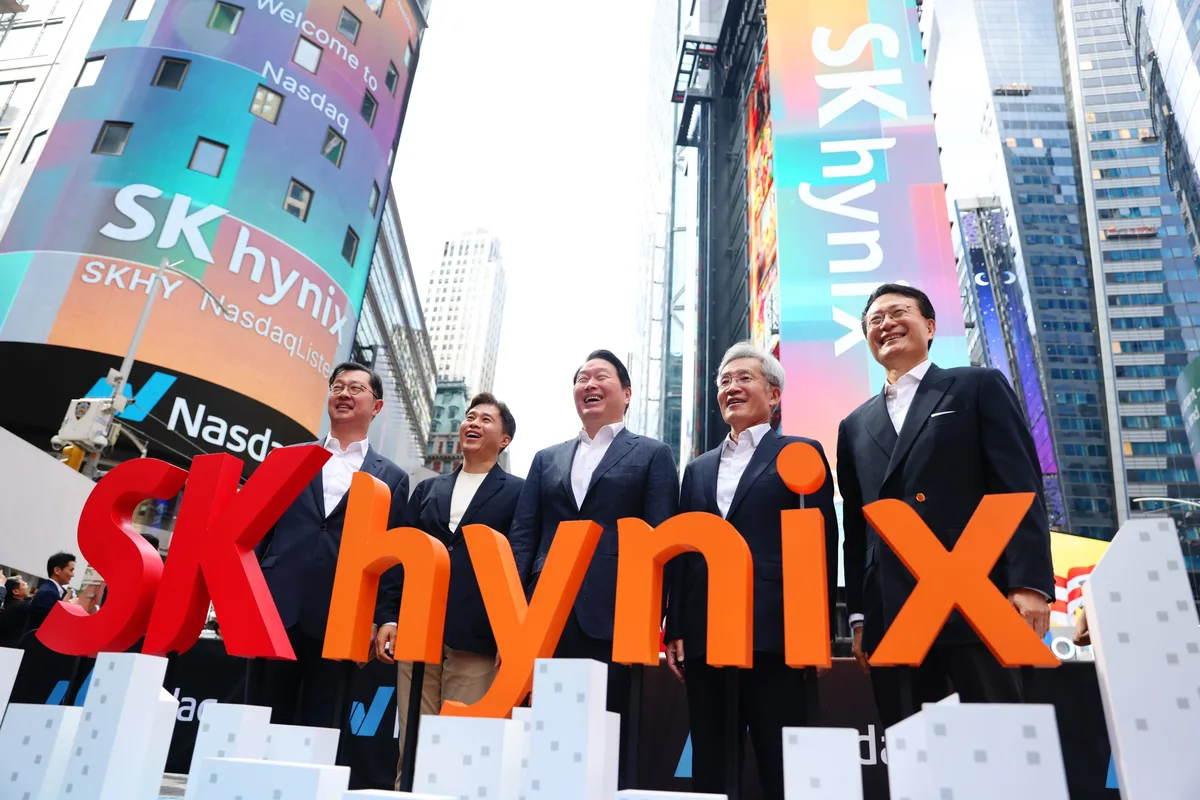
The exchange-traded fund industry, once celebrated for democratizing low-cost, tax-efficient index investing, is now testing the boundaries of how much leverage the market can absorb — and SK Hynix has become the latest flashpoint in that debate. Single-stock ETFs built around individual names are multiplying rapidly, drawing scrutiny from market observers who warn that leverage in this corner of the market has grown "a little carried away."
The original ETF revolution was straightforward: give retail investors cheap, diversified exposure to broad indexes with minimal tax drag. That mission has gradually given way to a far more speculative product category, where issuers now package amplified bets on individual stocks into ETF wrappers. SK Hynix, the South Korean memory chip giant, represents the newest example of a single company becoming the underlying engine for a leveraged ETF product.
Read more Brent Crude Breaks $100 as Goldman Eyes $120 Next →
The proliferation of these instruments raises structural questions about what happens when crowded leveraged positions unwind simultaneously. Unlike diversified index funds, single-stock leveraged ETFs concentrate risk dramatically, meaning sharp moves in one company's shares can cascade into forced rebalancing that amplifies volatility rather than dampening it. Critics argue that retail investors may not fully grasp the compounding decay these products experience over time.
The trend reflects broader appetite for high-octane financial products in a market environment where yield-hungry and thrill-seeking investors alike are pushing issuers to manufacture ever-more-aggressive vehicles. Regulators and analysts have flagged that the gap between the original ETF promise — simplicity and prudence — and today's leveraged single-stock offerings has never been wider. Whether guardrails will follow remains an open question as product innovation continues to outpace oversight.
Continue reading at US Top News and Analysis