SK Hynix's $30B U.S. Listing: What It Means for Micron Stock
SK Hynix's potential $30 billion U.S. listing could open new doors for memory investors while intensifying competitive scrutiny on Micron.
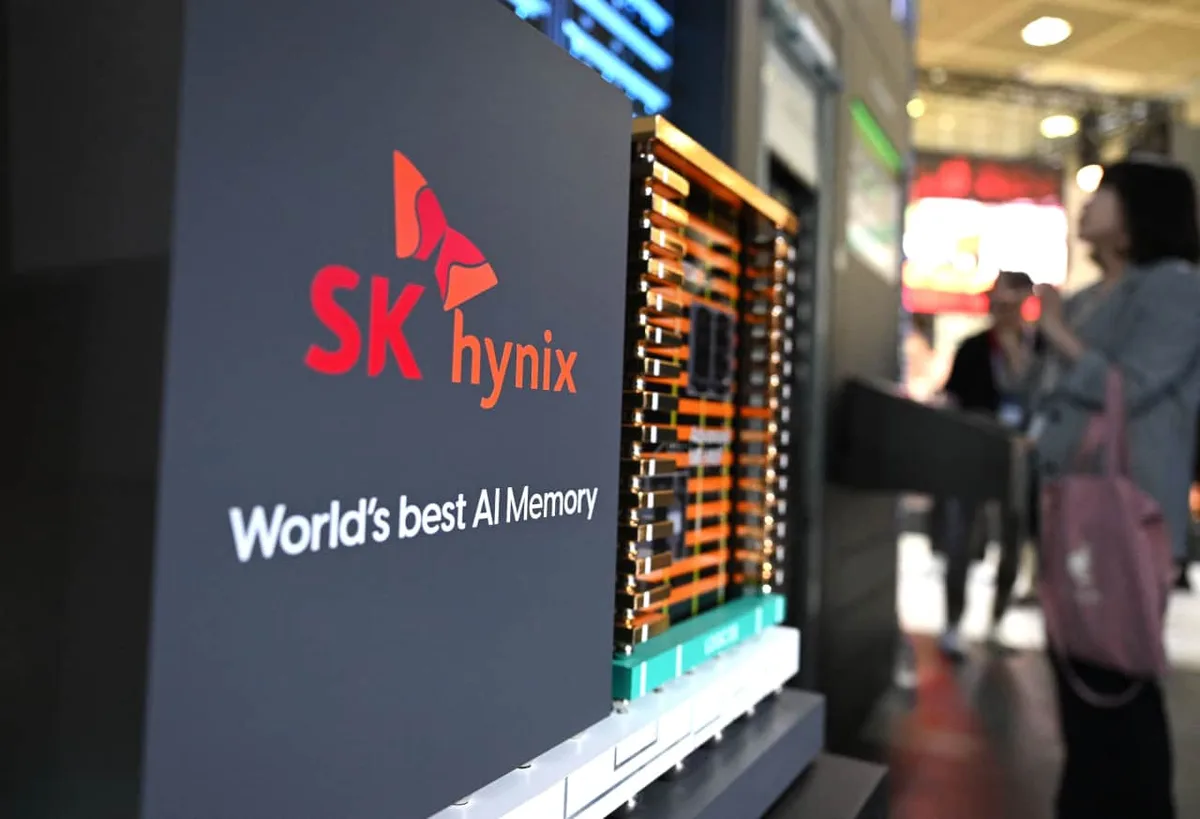
SK Hynix, the South Korean memory chip giant, is weighing a U.S. stock listing that analysts estimate could be valued at roughly $30 billion — a move that would mark one of the largest foreign technology listings on American exchanges in recent memory and directly intersect with Micron Technology's investor base.
For U.S. retail and institutional investors currently limited to Micron as a major publicly traded memory play, an SK Hynix listing would provide a significant new avenue for exposure to the global DRAM and NAND flash markets. That diversification could dilute some of the capital that has historically flowed exclusively to Micron when investors seek to bet on memory chip cycles.
Read more Brent Crude Breaks $100 as Goldman Eyes $120 Next →
The double-edged nature of the potential listing lies in transparency. A U.S.-listed SK Hynix would be required to file detailed financial disclosures with American regulators, which would shine a brighter spotlight on the memory industry's notoriously volatile pricing cycles, supply-demand dynamics, and competitive pressures — information that could cut both ways for Micron shareholders depending on where the cycle stands at any given moment.
Memory chip markets are highly cyclical and dominated by three major players — Samsung, SK Hynix, and Micron — whose production decisions and pricing power ripple across the global semiconductor supply chain. Greater visibility into SK Hynix's financials could sharpen investor awareness of industry headwinds or tailwinds that Micron's own disclosures might otherwise underemphasize or frame differently.
Whether SK Hynix's U.S. debut ultimately helps or hurts Micron's stock will likely depend on the memory market's trajectory at the time of listing and how investors choose to allocate capital between two directly competing chipmakers. Continue reading at MarketWatch.com