Stocks Drift While Oil Climbs as US-Iran Tensions Ease
Global equities stalled and crude oil prices rose as the US and Iran stepped back from renewed military exchanges.

Global financial markets split in opposite directions as the United States and Iran pulled back from fresh hostilities, with equity indexes losing momentum while oil prices pushed higher on Thursday. The rare pause in conflict gave traders enough reason to reassess risk, yet not enough confidence to drive stocks decisively in either direction.
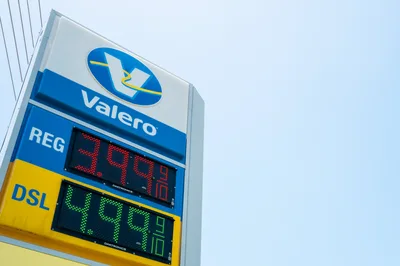
Crude oil, a commodity acutely sensitive to Middle East instability, gained ground as investors priced in the continued threat of supply disruptions even as both Washington and Tehran signaled a temporary halt to renewed attacks. Energy markets tend to react sharply to any escalation involving Iran, a major oil producer and a country whose geographic position flanks critical shipping lanes in the Persian Gulf.
Read more Brent Crude Breaks $100 as Goldman Eyes $120 Next →
Equity markets, meanwhile, struggled to find direction. With geopolitical risk neither fully resolved nor actively worsening, stock traders appeared reluctant to make large bets in either direction. The standoff left major indexes adrift, reflecting the broader uncertainty gripping investors who are already navigating elevated interest rates and a fragile global economic outlook.
Analysts note that the combination of a fragile ceasefire and sustained oil price pressure could complicate the Federal Reserve's inflation calculus, since energy costs feed directly into consumer price indexes. Any re-escalation between the two nations risks a sharper commodity spike that would ripple across transport, manufacturing, and household budgets worldwide.
Continue reading at Reuters.