Supreme Court Lets Trump Fire Independent Agency Heads
The Court overturned a landmark precedent, giving presidents broad new power to remove independent regulators like FTC commissioners.
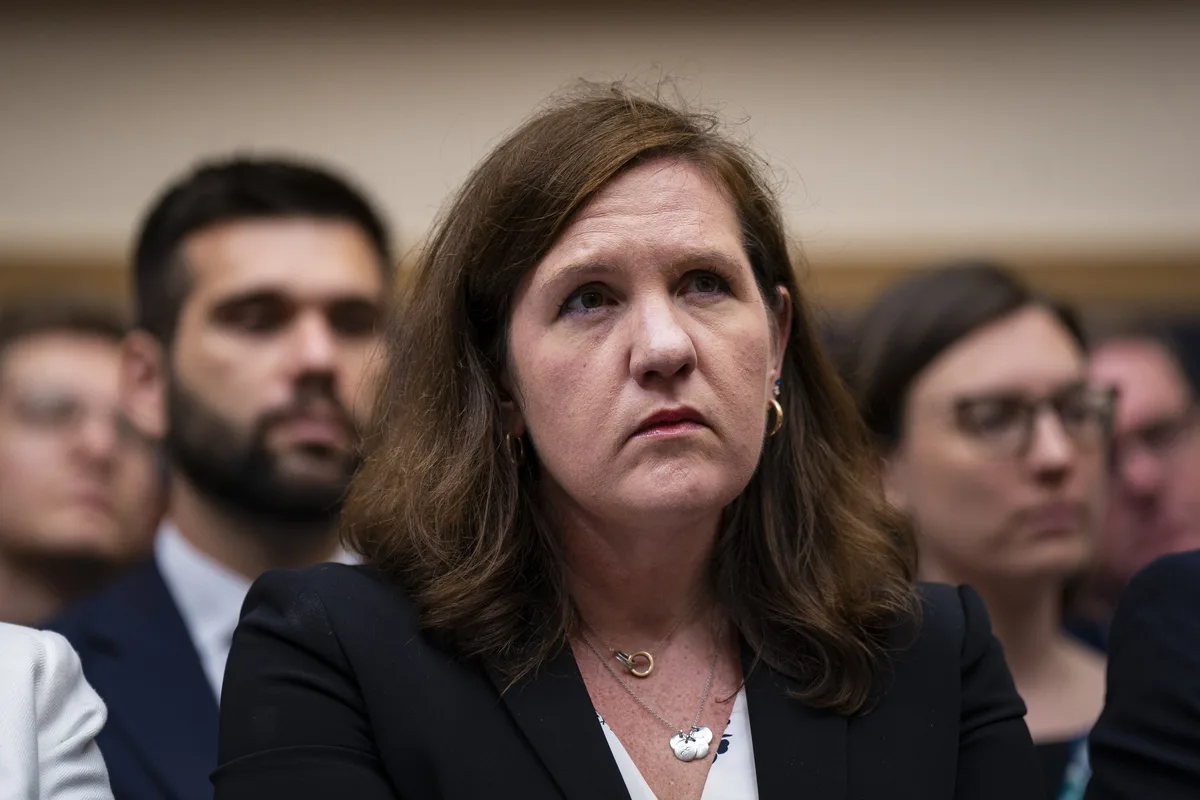
The U.S. Supreme Court ruled Tuesday that President Donald Trump has the authority to fire independent federal regulators, delivering a sweeping victory for executive power that directly affects FTC Commissioner Rebecca Slaughter and reshapes how Washington's regulatory apparatus operates. The decision marks one of the most significant expansions of presidential authority over the administrative state in decades.
At the center of the ruling is the dismantling of a longstanding legal shield known as "Humphrey's Executor," a precedent that had protected the heads of independent agencies — such as the Federal Trade Commission — from removal by presidents except for cause. That protection, dating back nearly a century, was widely viewed as the legal cornerstone of agency independence from political interference.
Read more Trump Targets 60 Trade Partners With New Sweeping Tariffs →
By overturning that precedent, the Court effectively hands the White House direct leverage over agencies that had long operated at arm's length from the Oval Office. Legal analysts note that the ruling could ripple far beyond the FTC, potentially subjecting commissioners and board members at other independent bodies — including the Federal Reserve's supervisory functions and the National Labor Relations Board — to the same presidential removal power, though the precise scope will likely be tested in future litigation.
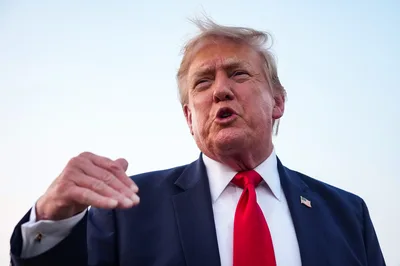
The case arose from Trump's move to remove Slaughter, a Democratic appointee, from her seat at the FTC. Slaughter had contested the firing, arguing it violated the statutory protections that had governed agency tenure for generations. The Court's ruling sided with the administration, concluding those statutory limits unconstitutionally restrict the president's executive power under Article II of the Constitution.
The decision is expected to accelerate ongoing debates in Congress and among legal scholars about the future of regulatory independence in the United States, with supporters arguing it restores proper democratic accountability and critics warning it politicizes expert-driven agencies. Continue reading at US Top News and Analysis.