Trump Accounts and 529 Changes: Will They Cut College Costs?
New savings proposals and borrowing caps could reshape how American families finance higher education.
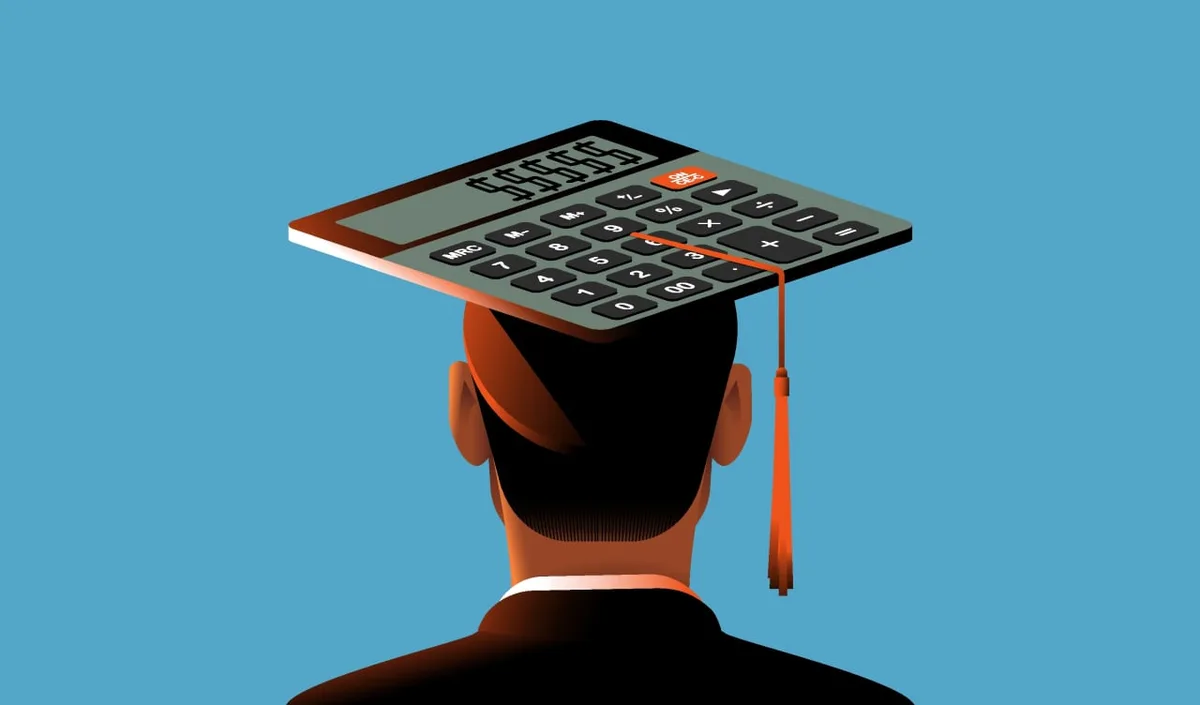
A pair of emerging policy ideas — so-called Trump accounts and expanded grandparent 529 savings plans — are drawing fresh scrutiny over whether they can meaningfully reduce the soaring cost of college in the United States. Lawmakers and analysts are weighing whether these vehicles represent genuine structural reform or simply new wrappers for existing savings tools that leave tuition inflation untouched.
The proposals arrive alongside separate discussions about placing hard caps on federal student borrowing, a move that could fundamentally alter how universities price their degrees. Critics of the current system have long argued that unlimited federal lending enables schools to raise tuition freely, knowing students can always borrow more to cover the difference — a dynamic sometimes called the Bennett Hypothesis.
Read more Why a Top Bitcoin Mining Nation Is Powering Down Rigs →
Grandparent-owned 529 plans have historically carried a financial-aid penalty, with distributions counted as student income and potentially reducing aid eligibility. Recent rule changes have begun to ease that burden, making these accounts more attractive for multigenerational college savings strategies. Trump accounts, a newer concept still taking shape in policy circles, represent another savings-based approach aimed at building long-term wealth from birth.
Whether any combination of expanded savings accounts and tighter borrowing limits can actually bend the college-cost curve remains deeply uncertain. Savings incentives help families who have the income to set money aside, but they do not directly pressure institutions to restrain tuition growth. Borrowing caps, by contrast, could create real pricing pressure on schools — but also risk cutting off access for students who rely on loans to attend at all. The interplay between these tools will define one of the more consequential education-finance debates of the coming years.
Continue reading at MarketWatch.com