Trump Accounts for Kids: Are They Worth Opening Either Way?
New 'Trump Accounts' offer free money for eligible children, but parents of ineligible kids are weighing whether to open one anyway.
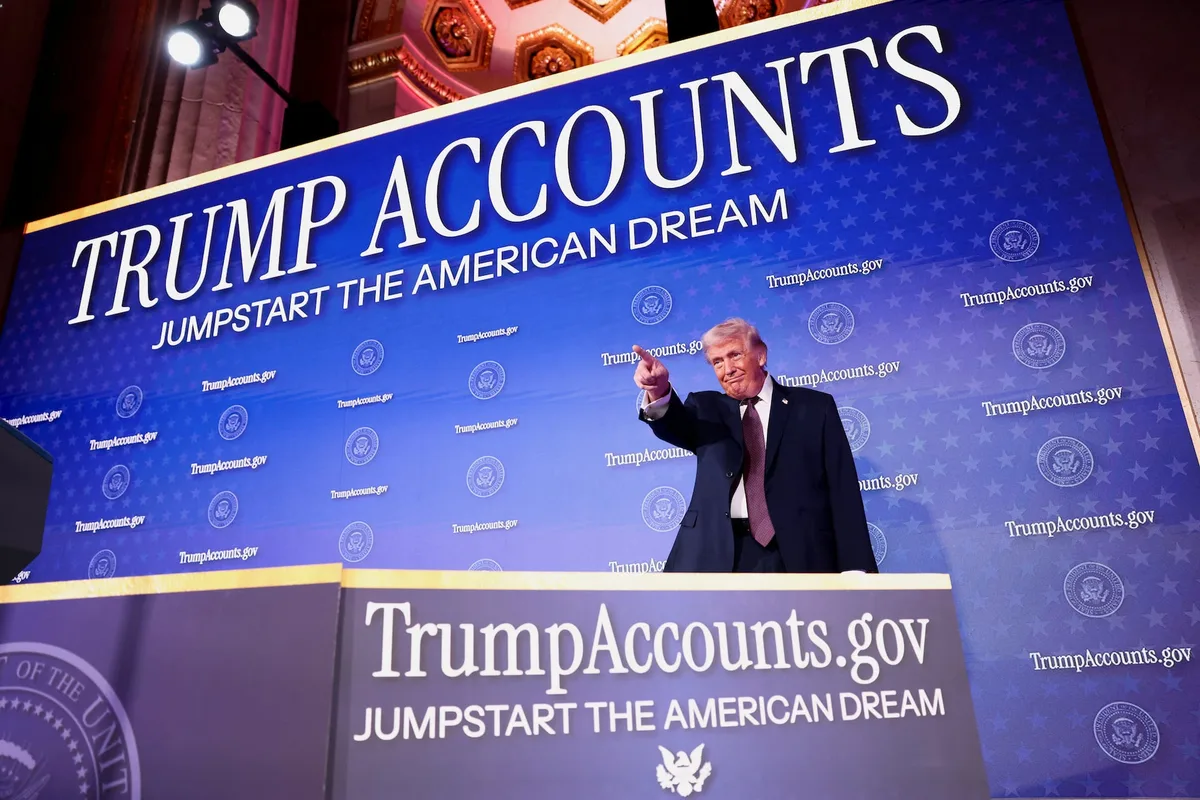
A new savings account program dubbed 'Trump Accounts' is drawing attention from parents nationwide, raising a key question financial advisors are fielding: is it worth opening one even if your child does not qualify for the free government contribution? The accounts, aimed at minors, include a cash incentive for eligible children, but the eligibility criteria leave some families on the outside looking in, according to a personal finance column by Reuters journalist Lauren Young.
For parents whose children fall outside the eligibility window, the decision hinges on whether the account structure itself — separate from the bonus cash — offers meaningful advantages over existing savings vehicles like 529 plans, custodial brokerage accounts, or traditional savings accounts. The column frames this as a genuinely open question, one that depends heavily on a family's specific financial goals and tax situation.
Read more DoorDash Summer of DashPass BOGO Week Deals Explained →
Financial planning decisions around children's accounts are rarely one-size-fits-all. Parents must weigh contribution limits, investment options, and tax treatment before committing to any new vehicle, particularly one tied to a government program that could shift with future administrations or legislative changes. Flexibility and portability are factors worth scrutinizing closely.
The broader rollout of these accounts signals a policy push to encourage long-term savings habits starting in childhood, a goal most financial experts across the political spectrum support in principle. Whether this particular vehicle delivers on that promise — especially for families who won't receive the upfront incentive — remains the central debate. Readers seeking a detailed breakdown of the account mechanics and a direct recommendation are encouraged to consult the original column. Continue reading at reuters_com.