Trump Accounts Launch: Eligibility, $1,000 Deposits Explained
Trump Accounts debuted in July as a tax-deferred investing vehicle for children. Here's what parents need to know about eligibility and how to open one.
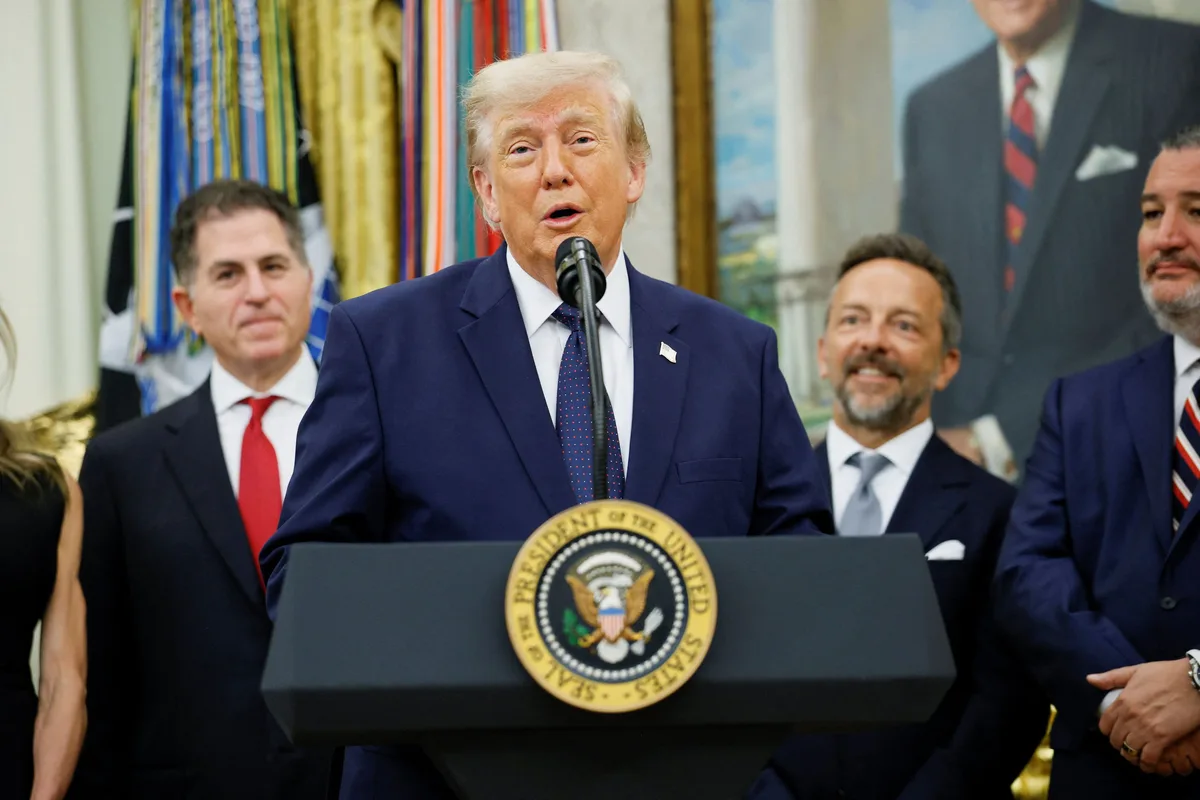
A new federally backed savings program for children officially went live in July, as Trump Accounts began accepting enrollments and offering families a tax-deferred path to long-term investing. The program marks one of the more tangible personal-finance policy moves of the current administration, targeting minors as the primary beneficiaries.
At the core of the program is a $1,000 seed deposit designed to give eligible children an immediate starting balance. The accounts function as tax-deferred investment vehicles, meaning gains are shielded from annual taxation — a structure that could compound significantly over a child's lifetime if funds are left to grow.
Read more Conservation Easements: When the Tax Break Still Works in 2024 →
Eligibility requirements determine which children qualify to open an account, making it essential for parents and guardians to verify their family's status before attempting to enroll. The administration has framed the initiative as a broad-access program, though specific income or citizenship criteria outlined in the original rollout govern who can participate.
The launch represents a notable expansion of child-focused financial tools available in the United States, adding to existing options like 529 college savings plans and custodial brokerage accounts. Financial advisors are likely to weigh Trump Accounts against those alternatives when counseling families on long-term savings strategies for minors.
For the full breakdown of eligibility rules, step-by-step instructions on opening an account, and details on how the $1,000 deposit is structured, continue reading at US Top News and Analysis.