Trump Refuses to Sign Bipartisan Housing Bill Into Law
President Trump says he will not sign the housing bill passed by Congress in June, allowing it to become law automatically.
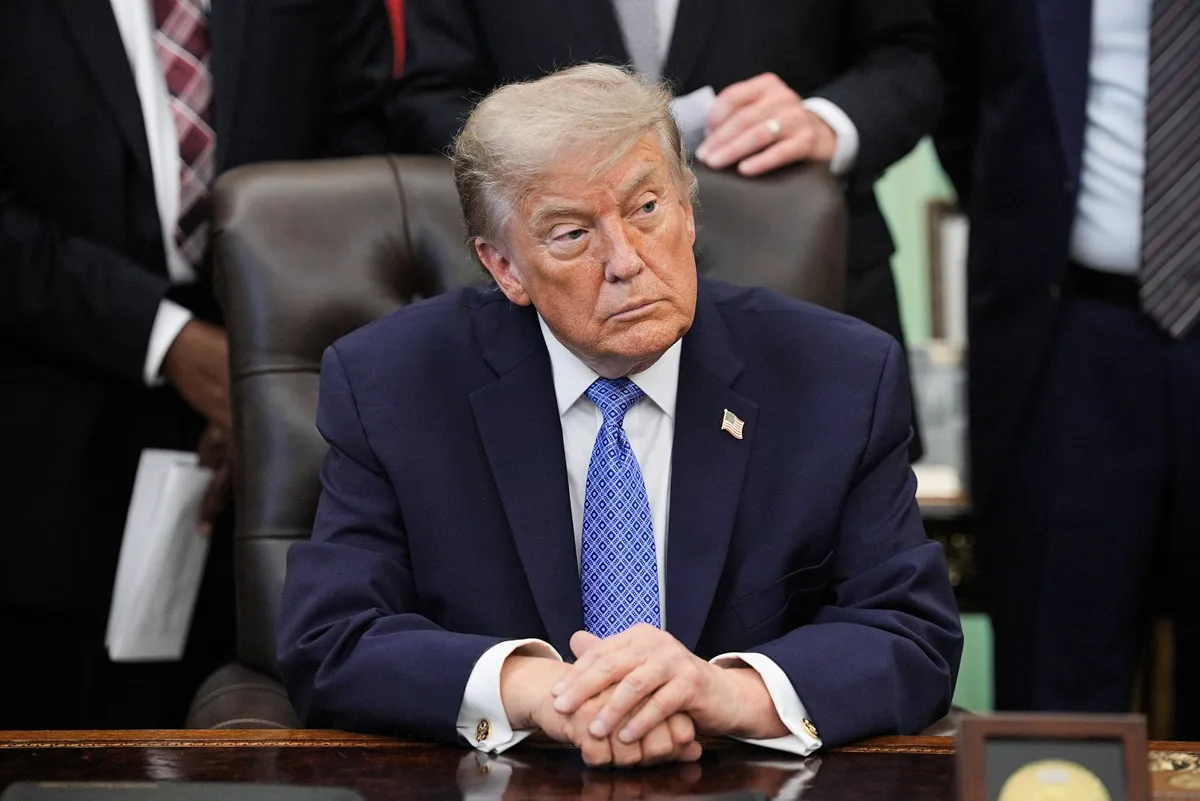
President Donald Trump announced he will not sign a bipartisan housing bill passed by Congress in June, a move that stops short of a veto but leaves the legislation to become law automatically without his endorsement. The decision signals the president's reservations about the measure even as it advances toward implementation.
Congress approved the housing bill with strong bipartisan backing, reflecting widespread concern among lawmakers over surging home prices and the growing role of institutional investors in the residential real estate market. The rare cross-party consensus underscored the urgency legislators attached to addressing housing affordability challenges facing American families.
Read more Trump Targets 60 Trade Partners With New Sweeping Tariffs →
Under the U.S. Constitution, a bill that the president neither signs nor vetoes within a prescribed window becomes law automatically when Congress is in session. Trump's decision to withhold his signature is therefore largely symbolic in its practical effect, though it carries political weight as a signal of executive disapproval.
The standoff between the White House and Capitol Hill over housing policy highlights the tension between market-oriented critics of government intervention and lawmakers who argue that institutional buying has distorted home prices beyond the reach of ordinary buyers. Whether the bill's automatic enactment translates into measurable relief for prospective homeowners remains to be seen.
Continue reading at US Top News and Analysis